
3D-MODEL PROTOTYPE
Unique PROTOTYPE Solutions
3D model prototyping is such an exciting part of making plastic products! It lets designers and engineers turn their ideas into real-life models and test them out before they start total production. With the latest 3D printing and modeling tech, we create realistic product representations, allowing everyone to dive in and tweak their concepts. At Accord Plastics, we genuinely believe that 3D prototyping is essential for crafting unique products. It helps our clients assess how designs will work and make any changes they need early on, saving them time and energy later. A 3d model prototype plays a key role in this process.
Accord Plastics has over 50 years of experience and is dedicated to improving product development through 3D model prototype. Our friendly engineering team collaborates closely with clients to build prototypes that look and feel like the final products. This way, we ensure every functional and visual detail is spot on. This quick design process also helps us perfect ideas, saves money, and reduces waste by catching potential issues before production starts. By incorporating 3D prototyping into our workflow, Accord Plastics shows its commitment to quality and ensuring our clients are happy!
What we’ve done

Extrusion Lines
We operate 22 advanced extrusion lines, producing higher volume. This leads to increased versatility in handling different types of plastics. All of the lines are in place to ensure strong results.

Strategic Sites
We have two production sites, which optimize distribution and decrease wait times for production. This allows customers of all locations to be served effectively.

Successful Projects
Thousands of successful projects have been done for our clientele, consistently delivering products on time with high-quality results.

Engaged Customers
We are proudly serving over 200 customers. We focus on long-term relationships through our vital customer service. We continuously deliver tailored solutions that are dependent on our customers’ needs.
Frequently Asked Questions
What is a 3D model prototype?
It is a sample version of a product made before full production starts. It helps you see and touch your idea in real life. Instead of guessing if a design will work, you can test it first. This process often begins with 3D modeling, where digital designs are created and refined before turning them into physical prototypes. This makes it easier to fix small problems early. It saves time, money, and stress later in the project.
Why is prototyping important before extrusion?
Prototyping lets you test shape, size, and fit before you invest in tooling. You can check if the part connects well with other parts. You can also test strength and function. When you review a 3D model prototype, you can make smart changes before mass production begins. This lowers risk and reduces waste.
How does 3D printing help in product design?
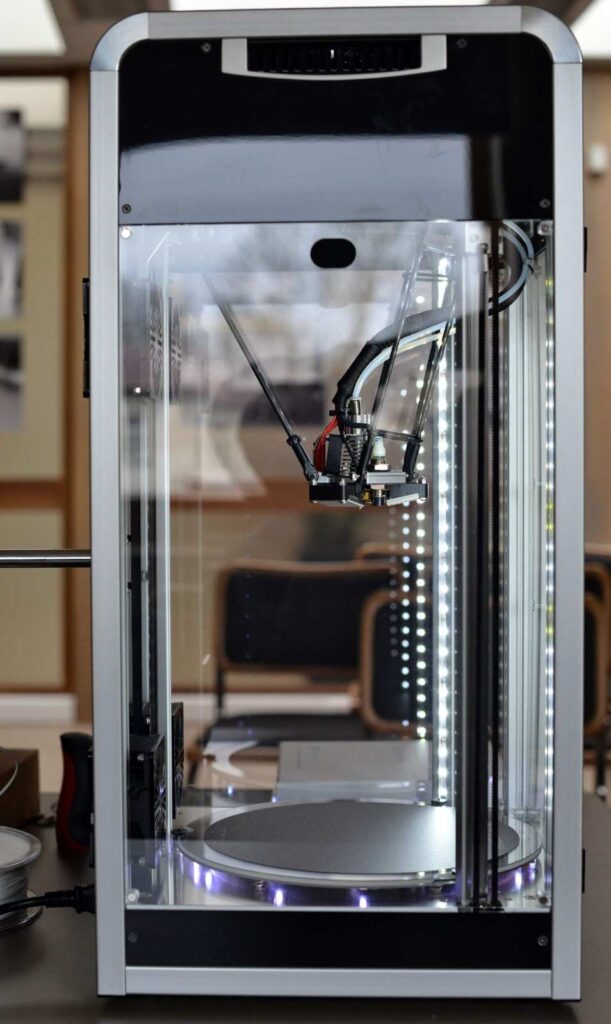
A 3d printer builds a physical model from a digital file. It creates the part layer by layer. This makes it fast and affordable to test ideas. Designers can print, test, adjust, and print again. This short loop helps teams move quickly and improve designs without long delays, making each 3D model prototype more refined with every iteration.
What are the main prototyping processes used in plastic development?
There are many prototyping processes used in product design. These include 3D printing, CNC machining, and small-batch extrusion trials. Each method has a purpose. Some are best for checking shape. Others are better for testing strength or fit. The right method depends on your product goals, especially when developing a 3D model prototype that meets both design and performance needs.
How does a 3D model prototype help in the development process?
A 3D model prototype plays a key role in the development process. It turns drawings into something real. Teams can hold it, test it, and review it together. If something does not work, it can be fixed early. This makes the full production stage smoother and more efficient.
What are CAD models and why are they needed?
CAD models are digital drawings made with computer software. They show the exact size and shape of a product. These files guide machines and printers. Without them, production would not be precise. They also allow engineers to adjust designs quickly before creating a sample.
Can you test surface quality before full production?
Yes, you can. When a sample is made, you can check for a smooth surface and correct finish. This is important for parts that will be seen or touched often. If the finish is not right, changes can be made before large volumes are produced.
What is the difference between a 3D model prototype and a final product?
A 3d model prototype is used for testing and approval. It may not use the final material or full production tooling. The final product is made after the design is approved. The prototype helps confirm that everything works before full-scale extrusion begins.
How does plastic extrusion work?
Plastic extrusion is a process where raw plastic is melted and pushed through a shaped die. This creates a continuous profile, such as tubing or trim. Once shaped, the plastic cools and hardens. This method is great for making long parts with the same shape all the way through.
Can you start with small production runs?
Yes, you can start small. Many companies test the market first. Small runs help you see customer demand before scaling up. Once demand grows, production can increase without changing the full setup. This flexible approach helps control costs.
What materials can be used in extrusion projects?
Many plastics can be used. These include PVC, flexible PVC, ABS, polypropylene, polyethylene, acrylic, and Santoprene. Each material has its own strength, flexibility, and heat resistance. The right choice depends on how the part will be used.
How do you make sure the product fits correctly?
Fit is tested during the prototype stage. The sample is checked against other parts. Measurements are reviewed carefully. If changes are needed, the design file is updated. This ensures the final extruded part fits properly in its real-world application.
How do you control quality during production?
Quality is carefully monitored at every stage of production. Equipment tracks key factors such as temperature, speed, and pressure to maintain consistent output. Parts are measured regularly to confirm that dimensions remain within required tolerances. This structured approach helps prevent defects and ensures reliable, repeatable results.
How long does it take to move from idea to production?
The timeline depends on the complexity of the design. Simpler profiles can move through development more quickly, while more detailed components may require additional testing and refinement. Because prototypes are created early, potential issues are identified and resolved in advance. In many cases, this allows production to begin within weeks rather than months.
Why should businesses invest in 3D model prototype before extrusion?
Investing in 3D model prototype reduces risk and supports informed decision-making. It allows teams to evaluate performance, fit, and design accuracy before committing to full production. Early testing improves overall product quality and minimizes costly revisions. By validating the design in advance, the extrusion process becomes more efficient and predictable.