If you have ever requested a custom plastic extrusion quote and thought, “Wait, why did the price change?” or “Why is the lead time suddenly longer?” you are not alone.
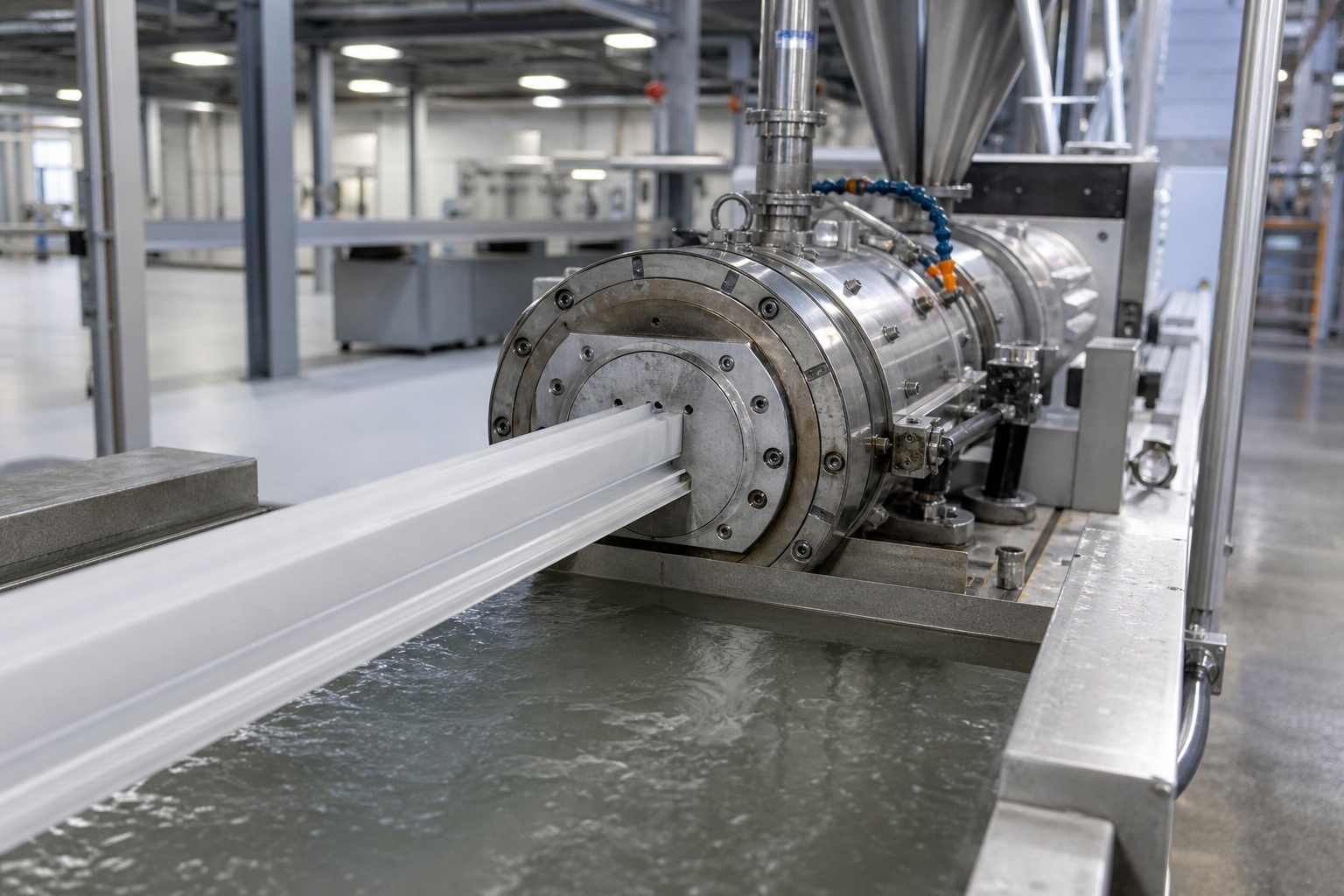
Most surprises are not because anyone is trying to be difficult. It is usually missing info. Tiny details that feel optional on the buyer side are the same details that determine tooling, material, cycle time, scrap rate, packaging, even how the profile behaves once it cools after how plastic extrusion works.
So here is a practical checklist you can use before you send a quote request for your custom plastic extrusion project. This checklist aims to reduce back and forth, speed up quoting, and keep you from getting hit with the classic. “This assumes X.”
1) Part basics (what are we actually making)
Start with the obvious stuff, but be specific.
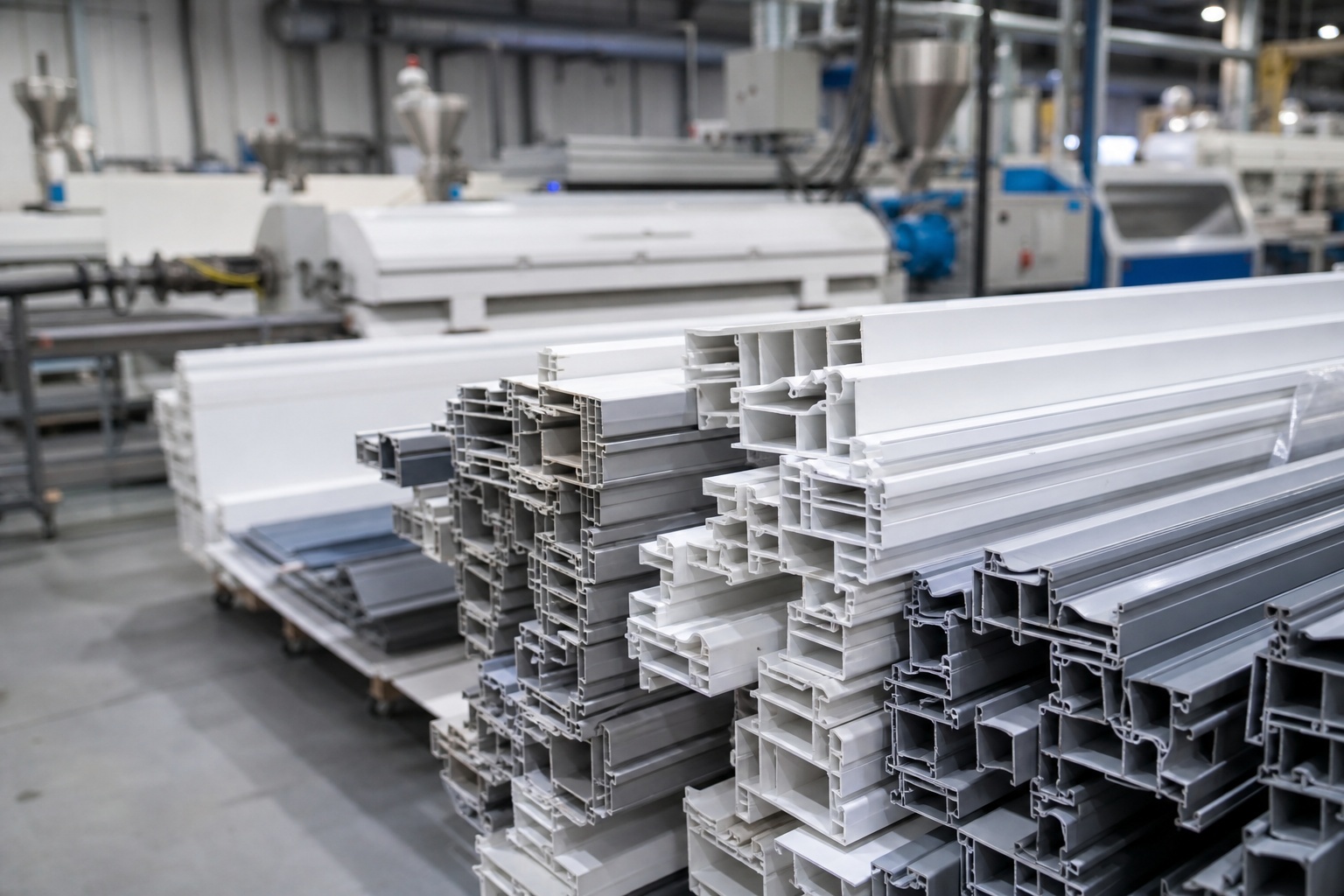
- Profile type: tubing, solid profile, U channel, multi cavity, coextrusion, etc.
- 2D print or sketch: a proper drawing is best (PDF/DXF). If you do not have one yet, a clean marked up sketch is fine to start.
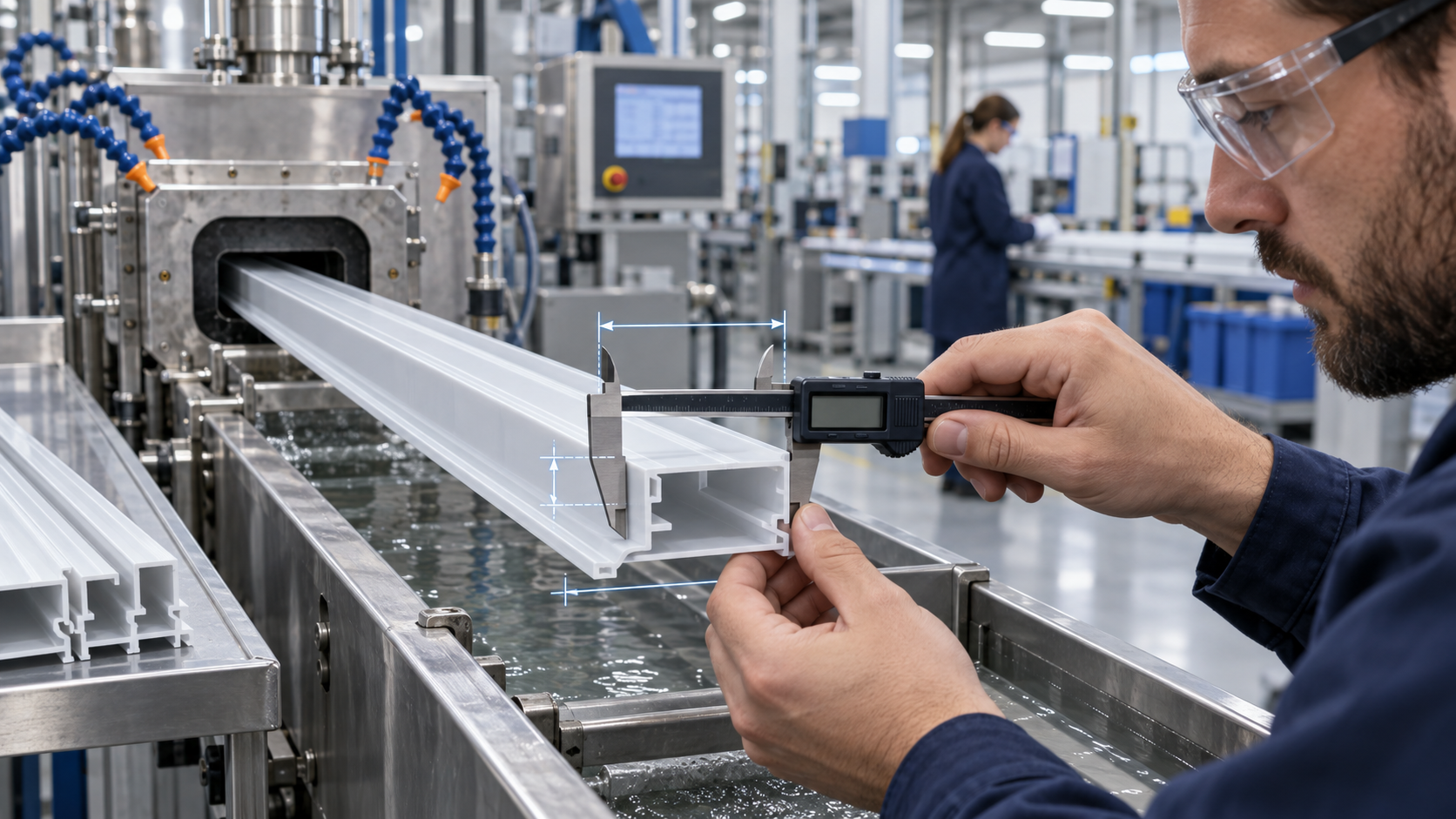
- Critical dimensions and tolerances: call out what truly matters. If everything is tight, everything gets expensive.
- Overall size: max OD, wall thickness targets, leg lengths, corner radii. The big geometry drivers.
If you are unsure about tolerances, say that. A good extrusion partner will help you set realistic ones based on material and shape.
When choosing a partner for your custom plastic extrusion in Canada, it’s important to consider certain key factors. You might want to refer to this guide on choosing a plastic extrusion company in Canada for more insights.
Additionally, if your project involves plastic extrusion for windows and doors, understanding the specific requirements for these applications can be beneficial.
Lastly, remember that there are various methods of plastic extrusion such as single screw extrusion, each with its own set of advantages depending on the nature of your project.
2) Material requirements (this is where quotes drift)
Material is a major cost driver, and also the biggest source of assumption.
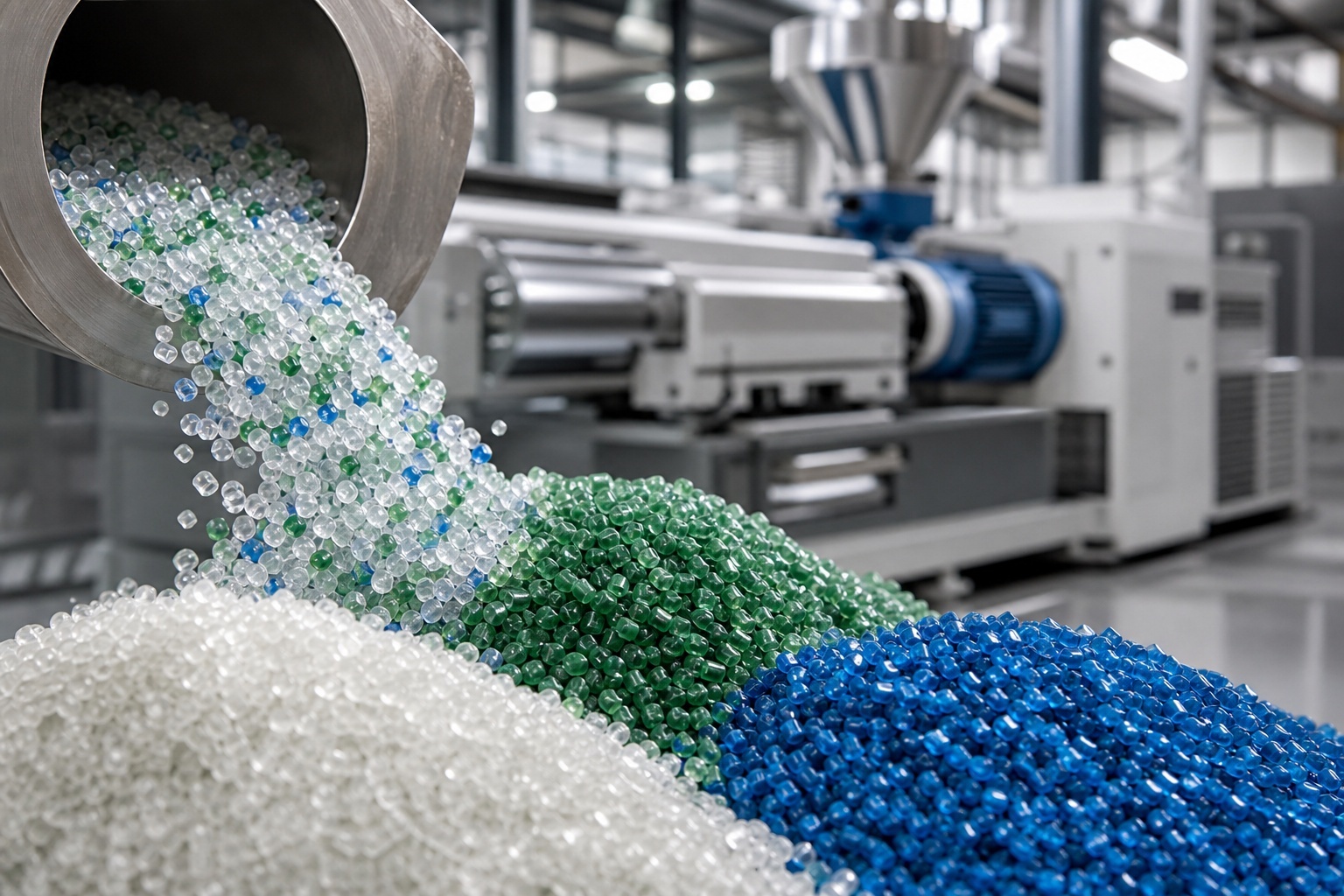
- Resin preference: PVC (rigid or flexible), HDPE, LDPE, PP, TPE, ABS, PC, nylon, acrylic, custom blends.
- Performance needs: UV resistance, impact, chemical resistance, low temp, flame, stiffness, coefficient of friction, dielectric.
- Color: standard vs custom match, and whether color consistency is cosmetic critical or “close enough.”
- Regrind allowance: yes/no, and if yes, what percent.
- Compliance needs: RoHS, REACH, NSF, UL, FDA, Prop 65, etc.
If you do not know the exact resin needed for your product’s survival against heat, sun exposure or cold weather conditions – specifics that can help the manufacturer recommend options.
For instance, Accord Plastics Corp not only provides material guidance but also emphasizes process monitoring as part of their approach. This is crucial when material choices affect long-term consistency. They offer various manufacturing techniques like co-extrusion, which can further enhance the performance and durability of the materials used.
3) Quantity, schedule, and how you want pricing structured
A quote without quantity is basically a guess.
- Estimated annual usage (EAU)
- Order pattern: blanket releases, monthly, quarterly, seasonal spikes
- Prototype quantity vs production quantity
- Price breaks: ask for tiers (example: 5k, 20k, 50k feet) so you can plan
Also clarify if you need “first article only” pricing or you want production pricing that assumes a ramp.
4) Length, cut tolerance, and secondary operations
This is where a lot of surprise costs hide because it is labor and handling.
- Supplied form: continuous coil, sticks, cut to length
- Cut length(s): one length or multiple lengths per PO
- Cut tolerances: tight cut tolerances can change equipment and speed
- End finishing: deburr, chamfer, punch, drill, notch, slots
- Inline tape, adhesive, foam insert, magnet, flocking
- Printing or marking: inkjet, hot stamp, custom text, lot codes
If the part will be cut and assembled right after, tell them. It can change what “acceptable edge condition” means.
5) Functional details (how the part is actually used)
This section is short but powerful. It prevents designs that extrude fine but fail in the field.
- Mating parts: what it snaps onto or slides into
- Installation method: hand install, press fit, screws, adhesives
- Environment: indoor, outdoor, buried, saltwater, chemicals, temperature range
- Load and wear: does it act like a bumper, a glide, a seal carrier, a protective cover
If it is for utility applications, say that upfront. Utility related components often have durability, UV, and handling expectations that should be designed in from day one. Accord Utility Systems (part of Accord Plastics) exists for that kind of protective and installation component work, so it is useful context to provide in the quote request.
6) Tooling expectations (new tool, existing tool, or “we do not know yet”)
Tooling is not just a line item. It affects lead time, dimensional stability, and repeatability.
- New die required: yes/no
- Who owns tooling: you or the manufacturer
- Target timeline: when you need first parts, and when you need production stable output
- Sampling plan: how many sample runs, approval process, PPAP like requirements if applicable
If you have an existing die, include photos and history. What material ran, what outputs were achieved, what problems happened.
7) Quality and inspection requirements (be honest here)
If you need inspection, say what kind. Do not wait until after the first run.
- Incoming inspection expectations
- Dimensional report frequency: per lot, per shift, first and last, etc.
- Cosmetic standards: allowable lines, gels, surface finish, gloss, color delta
- Traceability: lot codes, material certs, COA/COC
- Packaging for quality: separators, wrap, protective film
Shops that do inline process monitoring can catch drift early, but only if everyone agrees what “drift” means for your part.
8) Packaging, labeling, and shipping details
Packaging is not glamorous. It is also where parts get scratched, bent, or mixed.
- Pack count per box
- Box/pallet requirements
- Label details: part number, rev, PO, lot, barcodes
- Shipping method: LTL, parcel, dedicated, drop ship
- Storage concerns: straightness over time, temperature, UV exposure in warehouse
Profiles that ship perfectly can arrive warped if they are packed wrong or stored hot. Mention if straightness is critical.
A quick “avoid surprises” reality check
Before you hit send, ask yourself:
- Did I mark which dimensions are actually critical?
- Did I state the environment and usage, not just the shape?
- Did I include quantities and how often we will reorder?
- Did I mention any finishing, labeling, or packaging needs?
That is it. That is where most quote pain comes from.
If you want a manufacturer to sanity check the design and quote it with fewer assumptions, you can send this checklist along with your print through the quote/contact options at Accord Plastics Corp (https://accordplastics.com). Their site also outlines material guidance, tooling support, inline monitoring, and cut to length options, which are exactly the levers that determine whether your quote stays stable after kickoff.