Ever wonder how a plastic garden hose, food container, or protective packaging gets made? Many everyday products are created through a process called plastic extrusion. It is one of the most common manufacturing methods used around the world today. Plastic extrusion helps companies create strong, lightweight, and cost-effective plastic products in large quantities. The process is fast, flexible, and reliable, which is why many industries depend on it every day.
If people ask, “how does plastic extrusion work,” the answer starts with heat, pressure, and movement. A machine melts plastic material and pushes it through a custom opening called a die. The material then cools into a finished shape. This manufacturing process supports a wide range of industries, including construction, automotive, agriculture, medical, packaging, and telecommunications. Plastic extrusion is used to create products such as pipes, plastic film, tubing extrusion products, wire coverings, window trims, and guy wire guards.
In this guide, the full process will be explained in simple terms to help readers understand how does plastic extrusion work. It will also cover the machines involved, the types of plastic materials used, and the benefits of using extrusion in modern production.
What is Plastic Extrusion?
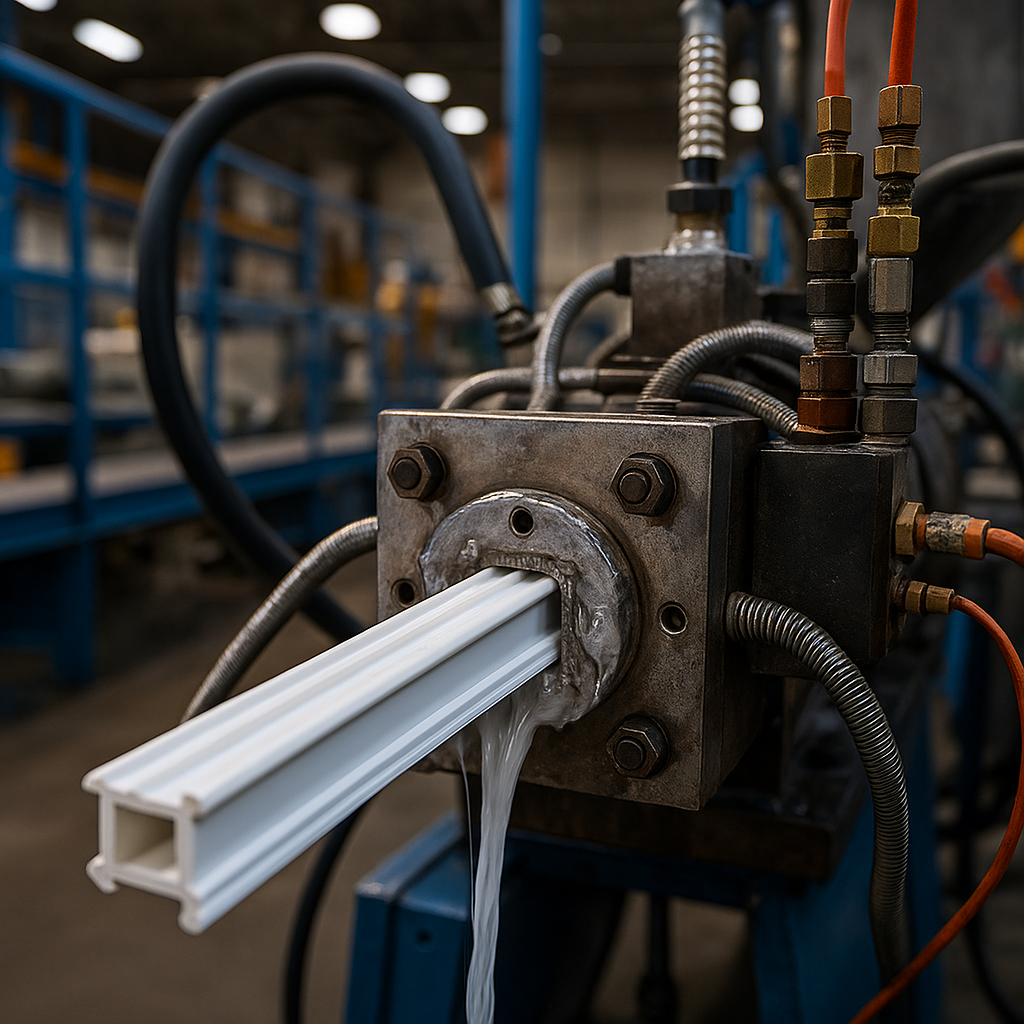
Plastic extrusion is a continuous manufacturing process used to shape melted plastic material into a specific form. During the process, plastic pellets or granules are heated until they become molten plastic. The melted material is then pushed through a specially designed die to create the desired shape. Many people compare extrusion to squeezing toothpaste from a tube. Once the material passes through the die, it takes the shape of the opening. The product then cools and hardens before becoming the final product.
Plastic extrusion is ideal for making long products with consistent shapes. These products may include:
- Plastic tubing
- Pipes
- Plastic sheets
- Plastic film
- Window frames
- Cable insulation
- Weather seals
- Medical tubing
- Guy wire guards
The process is popular because it supports high volume manufacturing process needs while keeping costs lower than many other production methods, which helps explain how does plastic extrusion work in modern manufacturing.
History of Plastic Extrusion
The history of extrusion started in the early 1900s when manufacturers began experimenting with thermoplastic materials. As industries needed faster ways to produce plastic products, extrusion technology improved quickly.
In 1935, Paul Troester in Germany developed one of the first modern plastic extruders. This invention helped companies produce plastic products on an industrial scale.
Over time, machines became faster, more accurate, and more energy efficient. Today, modern plastic extrusion manufacturer facilities use advanced automation systems, computerized controls, and precision tooling. Extrusion is now one of the most trusted manufacturing methods in the world.
Basic Principles Behind the Process
The process of extrusion depends on three main things:
- Heat
- Pressure
- Motion
Raw plastic material enters the machine through the feed throat, showing an important part of how does plastic extrusion work. Inside the heated barrel, the plastic moves forward using a rotating screw. The screw compresses, melts, and mixes the material as it travels through the machine.
As pressure builds, the molten plastic is forced through a die. The die shapes the material into a desired profile. After leaving the die, the product enters a cooling system where it hardens and keeps its shape. The finished material is then cut, rolled, or packaged depending on the product type.
Materials Used in Plastic Extrusion
Plastic extrusion works best with thermoplastics, which helps explain how does plastic extrusion work in continuous manufacturing. These are plastics that soften when heated and harden when cooled.
Common materials include:
Polyethylene (PE)
Polyethylene is widely used for packaging, plastic film, containers, and pipes. It is flexible, lightweight, and moisture resistant.
Polypropylene (PP)
Polypropylene is strong and resistant to chemicals. It is commonly used in automotive parts, textiles, and storage containers.
Polyvinyl Chloride (PVC)
PVC is used in pipes, window frames, siding, and electrical insulation. It is durable and cost-effective.
Polystyrene (PS)
Polystyrene is commonly used in packaging and insulation products.
Acrylonitrile Butadiene Styrene (ABS)
ABS is a tough material used in consumer products, automotive components, and electronics. Many companies also use recycled materials as part of plastic recycling programs. Using recycled plastic material helps reduce waste and supports sustainability goals.
Types of Plastic Extrusion

There are several extrusion methods used in manufacturing today, and each one helps explain how does plastic extrusion work for different products and applications.
Sheet Film Extrusion
Sheet film extrusion produces flat plastic sheets or thin films. These products are often used for food packaging, industrial liners, and protective coverings.
Blow Film Extrusion
Blow film extrusion creates flexible plastic films used for shopping bags, packaging film, and agricultural coverings. During the process, air expands the molten tube of plastic into a bubble shape.
Tubing Extrusion
Tubing extrusion creates hollow plastic tubes for medical, industrial, and consumer applications.
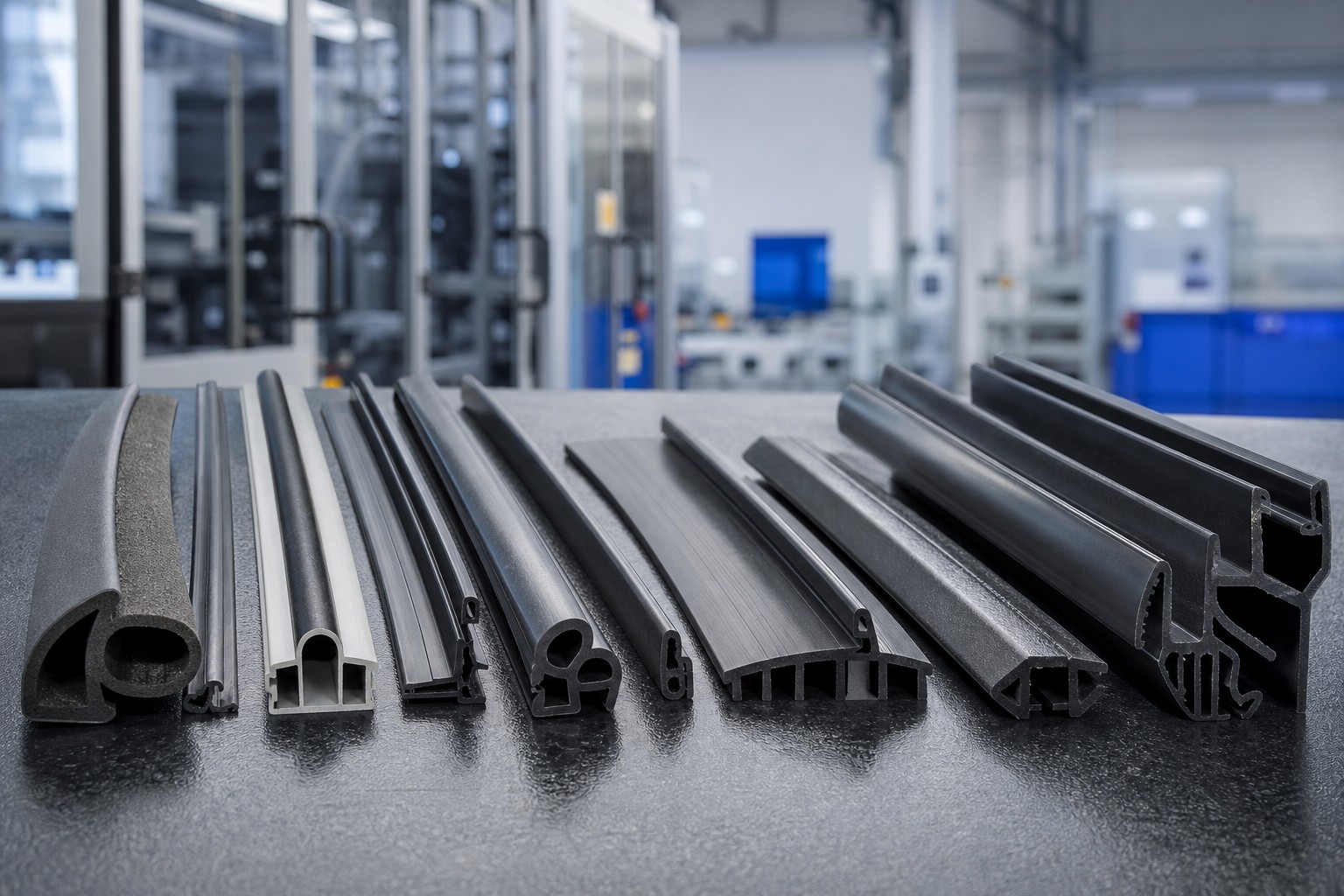
Profile Extrusion
Profile extrusion produces custom shapes with different cross sections. Common examples include window trims, seals, and structural profiles.
Co-Extrusion
Co-extrusion combines multiple layers of plastic into one product. This process improves strength, durability, or barrier protection. Each extrusion type supports different manufacturing needs.
How Plastic Extrusion Works: The Process Overview
Many people ask, “how does plastic extrusion work?” The process may look simple, but every stage requires precision and control.
Step 1: Feeding the Raw Material
The process starts when raw material enters the hopper. The hopper feeds plastic pellets into the feed throat of the machine. The feed throat controls how much material enters the system.
Step 2: Melting the Plastic
Inside the heated barrel, the plastic material moves forward using a rotating screw. Heat from external heaters and friction melts the plastic. This stage transforms solid pellets into molten plastic.
Step 3: Mixing and Pressurizing
The rotating screw mixes the material evenly while building pressure inside the barrel. The breaker plate helps filter contaminants and improve flow consistency before the material reaches the die.
Step 4: Shaping the Material
The molten plastic passes through a die that creates the required shape. The die determines the size and form of the final product.
Step 5: Cooling the Product
After leaving the die, the product enters a cooling system.
Cooling methods may include:
- Air cooling
- Water cooling
- Vacuum sizing
Cooling helps the product keep its dimensions and prevents defects.
Step 6: Finishing the Product
The finished material may be:
- Cut into sections
- Rolled into coils
- Wound into large rolls
At this point, the product becomes ready for packaging or shipping.
How Does a Plastic Extrusion Machine Work?
Many people also ask, “how does plastic extrusion machine work?” The machine combines mechanical force, heat, and pressure to process plastic material.
The main components include:
Hopper
The hopper stores raw plastic pellets before they enter the machine.
Feed Throat
The feed throat directs material into the barrel.
Heated Barrel
The heated barrel melts the plastic material.
Rotating Screw
The rotating screw moves, compresses, melts, and mixes the material.
Breaker Plate
The breaker plate filters contaminants and improves material flow.
Die
The die shapes the molten plastic into the desired profile.
Cooling System
The cooling system hardens the material after extrusion. Together, these components help plastic extruders produce consistent and high-quality products.
The Importance of the Die
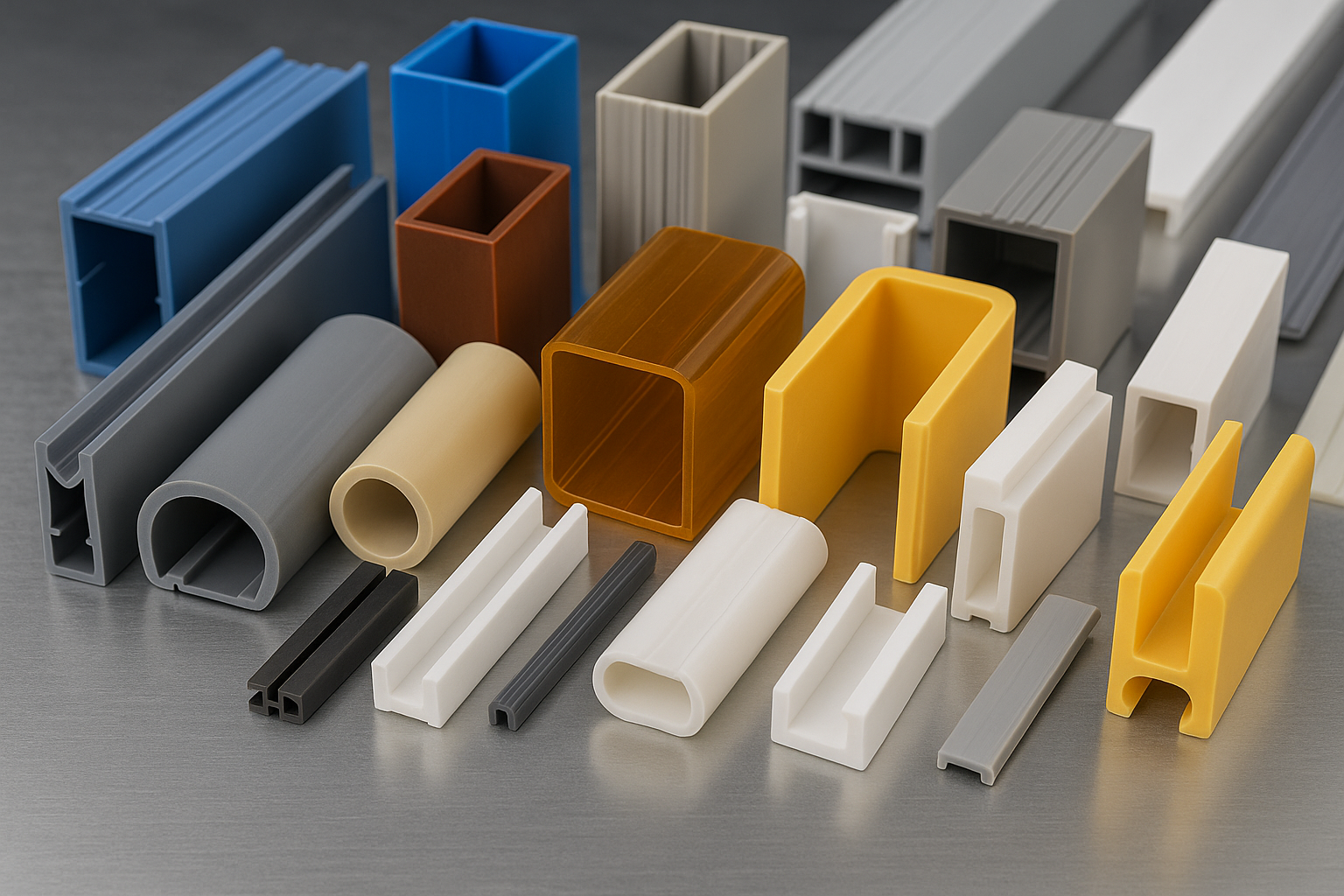
The die is one of the most important parts of the extrusion process. It controls the shape and dimensions of the final product. Different dies create different cross sections, including:
- Round profiles
- Square profiles
- Hollow tubes
- Flat sheets
- Complex custom designs
A poorly designed die can create uneven products, rough surfaces, or weak areas, which is an important factor in understanding how does plastic extrusion work. Manufacturers must carefully maintain dies to ensure accurate production and product quality.
Cooling and Sizing
Cooling is essential in extrusion and plays a major role in how does plastic extrusion work. Once the material is leaving the die, it must cool quickly and evenly. Without proper cooling, products may shrink, warp, or lose shape.
Different cooling methods include:
Air Cooling
Air cooling works well for lighter or delicate products.
Water Cooling
Water cooling is commonly used for pipes and solid profiles.
Vacuum Sizing
Vacuum sizing helps maintain exact dimensions for complex products. The cooling system plays a major role in product consistency.
Single Screw vs. Twin Screw Extruder
Extrusion systems usually use either a single screw or a twin screw extruder, depending on how does plastic extrusion work for specific materials and production needs.
Single Screw Extruders
Single screw machines are common in standard manufacturing operations.
Benefits include:
- Lower operating cost
- Simpler maintenance
- Reliable production
- Good performance for basic materials
Twin Screw Extruder
A twin screw extruder uses two screws that rotate together.
These systems are ideal for:
- Mixing additives
- Processing recycled materials
- Improving blending
- Producing specialty products
Twin screw systems are often used in advanced plastic recycling operations.
Benefits of Plastic Extrusion
Plastic extrusion offers many advantages, which helps explain how does plastic extrusion work as an efficient and cost-effective manufacturing method.
Continuous Production
Extrusion supports continuous profile production without frequent stops.
High Efficiency
The process supports high volume manufacturing process requirements while reducing labour costs.
Low Material Waste
The process produces very little waste.
Flexible Product Design
Manufacturers can create many different shapes and cross sections.
Cost Savings
Extrusion helps lower production costs for large orders.
Strong Product Consistency
Modern machines provide reliable dimensions and product quality. Because of these benefits, extrusion remains one of the most trusted manufacturing methods today.
Applications of Plastic Extrusion
Plastic extrusion supports many industries.
Construction Industry
Extrusion is used to create:
- Pipes
- Window frames
- Wall panels
- Cable covers
- Weather seals
Packaging Industry
Manufacturers use extrusion for:
- Plastic film
- Food packaging
- Protective wraps
- Flexible packaging
Medical Industry
Tubing extrusion products are commonly used in hospitals and healthcare equipment.
Automotive Industry
Extruded products are used in seals, trims, insulation, and fluid systems.
Agriculture Industry
Farm operations use extrusion products for irrigation tubing, greenhouse films, and protective barriers.
Utility and Infrastructure Industry
Many companies produce guy wire guards and protective coverings through extrusion.
Plastic Recycling and Sustainability
Sustainability is becoming more important in manufacturing. Many extrusion companies now focus on plastic recycling to reduce waste and improve environmental performance. Recycled plastic material can often be reused in new extrusion applications.
Benefits of recycling include:
- Reduced landfill waste
- Lower raw material costs
- Reduced environmental impact
- Improved sustainability goals
Modern plastic extruders are designed to process recycled materials more efficiently than older machines, which also shows how does plastic extrusion work with sustainable manufacturing practices. Many manufacturers are also exploring biodegradable plastics and eco-friendly materials.
Common Extrusion Problems
Even advanced systems can experience production issues, which is an important part of understanding how does plastic extrusion work in real manufacturing environments.
Common problems include:
Uneven Surfaces
Poor temperature control or die issues may create rough surfaces.
Discoloration
Overheating can burn the plastic material.
Dimensional Problems
Improper cooling may affect product size and consistency.
Air Bubbles
Moisture or trapped air can create bubbles inside the product.
Weak Product Strength
Poor material mixing may reduce durability.
Regular maintenance and proper machine settings help reduce these problems.
The Future of Plastic Extrusion
The future of extrusion continues to evolve, showing how does plastic extrusion work alongside smarter machines, better automation, and more sustainable production systems.
Modern equipment can now monitor:
- Temperature
- Pressure
- Material flow
- Product dimensions
This helps improve efficiency and reduce waste.
New developments in sheet film extrusion and blow film extrusion are also helping manufacturers create stronger and lighter packaging products. Sustainability will continue to play a major role in the future of the industry. More companies are expected to use recycled materials and eco-friendly plastics in production. As demand grows, extrusion will remain one of the most important manufacturing methods in the world.
Final Thoughts: The Future of Plastic Extrusion
Plastic extrusion is far more than a simple factory process. It is one of the most important manufacturing systems used today, helping explain how does plastic extrusion work in large-scale production. The process supports industries around the world by producing reliable, lightweight, and cost-effective plastic products.
Understanding how plastic extrusion works helps explain how many everyday products are made. From tubing extrusion and plastic film to packaging and construction materials, extrusion plays a major role in modern life.
The process combines heat, pressure, and movement to transform raw material into useful products, helping explain how does plastic extrusion work in modern manufacturing. Inside the machine, the rotating screw pushes plastic material through the heated barrel until it becomes molten plastic. The material then passes through a breaker plate and leaves the die in a specific shape.
Once the product moves through the cooling system, it becomes the final product. Modern plastic extruders continue to improve with better technology, faster automation, and stronger sustainability practices. Manufacturers are also increasing their use of plastic recycling to reduce environmental impact.
Extrusion supports a wide range of applications and can create many different cross sections for industrial and consumer products, which demonstrates how does plastic extrusion work across multiple industries. For businesses looking for dependable extrusion solutions, working with an experienced plastic extrusion manufacturer is important.
Accord Plastics provides high-quality extrusion services with a strong focus on precision, efficiency, and customer support. The company manufactures custom products for many industries, including guy wire guards and specialty extrusion profiles. Businesses interested in custom extrusion solutions can contact us through the Accord Plastics website to discuss project requirements or request a quote.
FAQs About Plastic Extrusion
What’s the main advantage of plastic extrusion?
The process supports continuous production, which makes manufacturing faster and more cost-effective.
How does plastic extrusion work?
Raw material enters the feed throat, melts inside the heated barrel, and moves forward using a rotating screw, which clearly shows how does plastic extrusion work. The molten plastic passes through a die and cools into the final product.
How does a plastic extrusion machine work?
The machine uses heat, pressure, and mechanical movement to melt and shape plastic material, helping explain how does plastic extrusion work in industrial manufacturing.
What are plastic extruders?
Plastic extruders are machines that melt and shape plastic materials into continuous products.
What is tubing extrusion?
Tubing extrusion creates hollow plastic tubes used in medical, industrial, and household applications.
What is sheet film extrusion?
Sheet film extrusion produces flat plastic sheets and packaging films.
What is blow film extrusion?
Blow film extrusion creates thin flexible plastic films used in bags and packaging.
What does the rotating screw do?
The rotating screw moves, compresses, melts, and mixes the material inside the machine.
What is the purpose of the breaker plate?
The breaker plate improves material flow and removes contaminants.
Why is the cooling system important?
The cooling system helps the product maintain its shape and dimensions, which is an important part of how does plastic extrusion work properly during production.
What products are made using extrusion?
Common products include pipes, tubing, packaging films, cable coverings, and guy wire guards, which are useful examples of how does plastic extrusion work in everyday manufacturing.
Can extrusion use recycled materials?
Yes. Many manufacturers use recycled plastic material as part of plastic recycling programs, which also demonstrates how does plastic extrusion work with sustainable production methods.
What is a twin screw extruder?
A twin screw extruder uses two screws for better mixing and material blending.
Is extrusion suitable for high-volume production?
Yes. Extrusion is ideal for high volume manufacturing process operations, which is one reason how does plastic extrusion work so efficiently for large-scale production.
What are common signs of poor extrusion quality?
Common problems include rough surfaces, bubbles, discoloration, and uneven dimensions.
Why is extrusion considered cost-effective?
The process reduces waste, supports continuous production, and lowers manufacturing costs, which helps explain how does plastic extrusion work as an efficient manufacturing method.
What industries use extrusion?
Industries include packaging, construction, medical, automotive, agriculture, and telecommunications, showing how does plastic extrusion work across many different sectors.
Why choose Accord Plastics?
Accord Plastics offers reliable manufacturing support, custom solutions, and strong technical expertise for businesses looking to better understand how does plastic extrusion work across a wide range of extrusion applications.
How can businesses learn more?
Businesses can contact us through the Accord Plastics website for more information about custom extrusion solutions and manufacturing services, including guidance on how does plastic extrusion work for different applications.