When you think about what makes a vehicle work — really work — the first things that come to mind are usually the engine, the drivetrain, maybe the electronics. Nobody really thinks about the extruded plastic trim around the windshield. Or the cable management channels running through the doors. Or the sealing strips that keep rain, road noise, and dust from getting into places they shouldn’t be.
But that stuff matters. A lot, actually.
Custom plastic extrusion plays a surprisingly large role in modern automotive manufacturing. And as vehicles get lighter, more electric, and more tightly engineered, the role of precision-extruded plastic profiles keeps growing.
Here is a look at how custom extrusion fits into the automotive world — what it is used for, which materials work best, and what to keep in mind if you are sourcing profiles for an automotive application.
Why Automotive Manufacturers Rely on Custom Extrusion
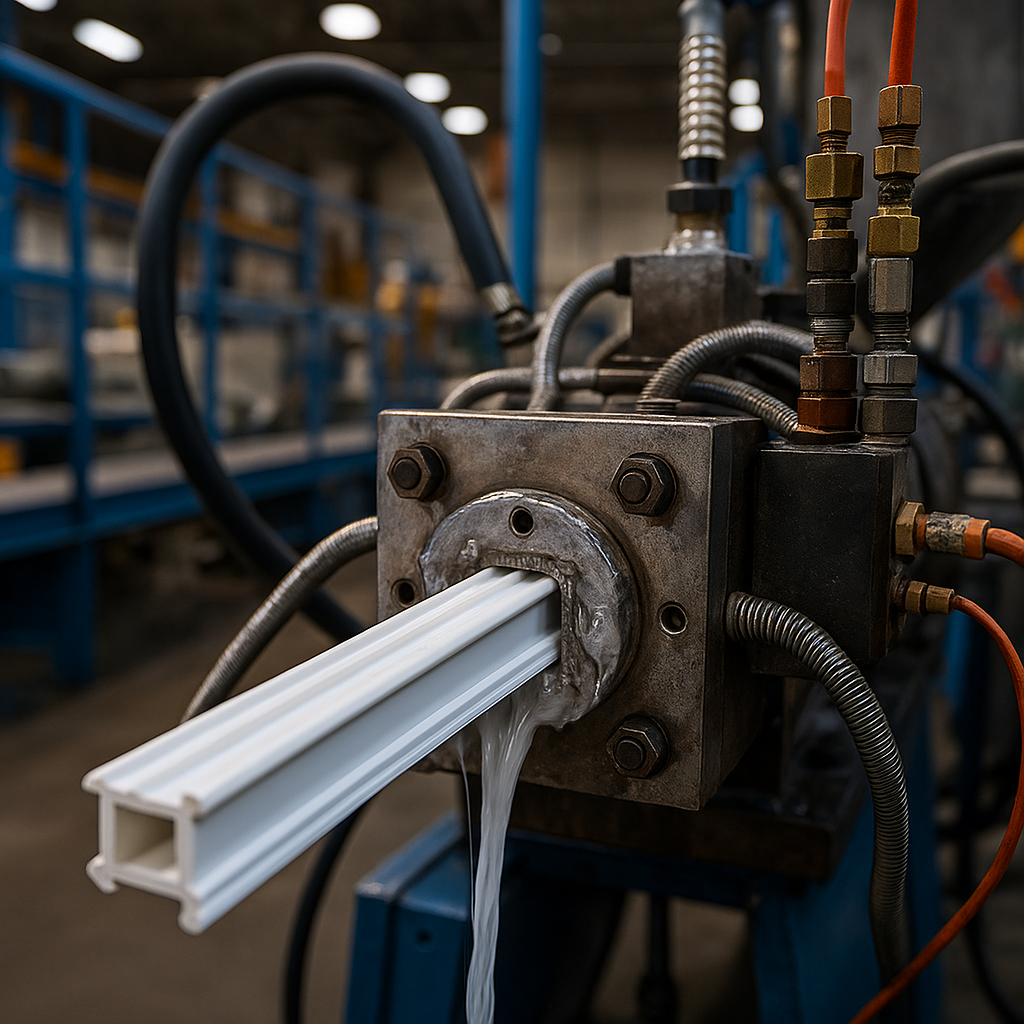
Injection molding gets a lot of attention in automotive. And for good reason — it is great for complex, three-dimensional parts. But extrusion fills a completely different niche: long, continuous profiles with consistent cross-sections.
Think about it. A sealing strip that runs the full length of a door frame? That is extrusion. A cable channel that needs to be exactly the same shape for two metres straight? Extrusion. A trim piece that wraps around a window opening? Also extrusion.
The advantages in automotive specifically:
- Weight reduction — Extruded plastic profiles replace heavier metal components, which matters more than ever with fuel efficiency standards and EV range targets.
- Cost efficiency at volume — Once the die is built, extrusion runs can produce thousands of metres of consistent profile at relatively low per-unit cost.
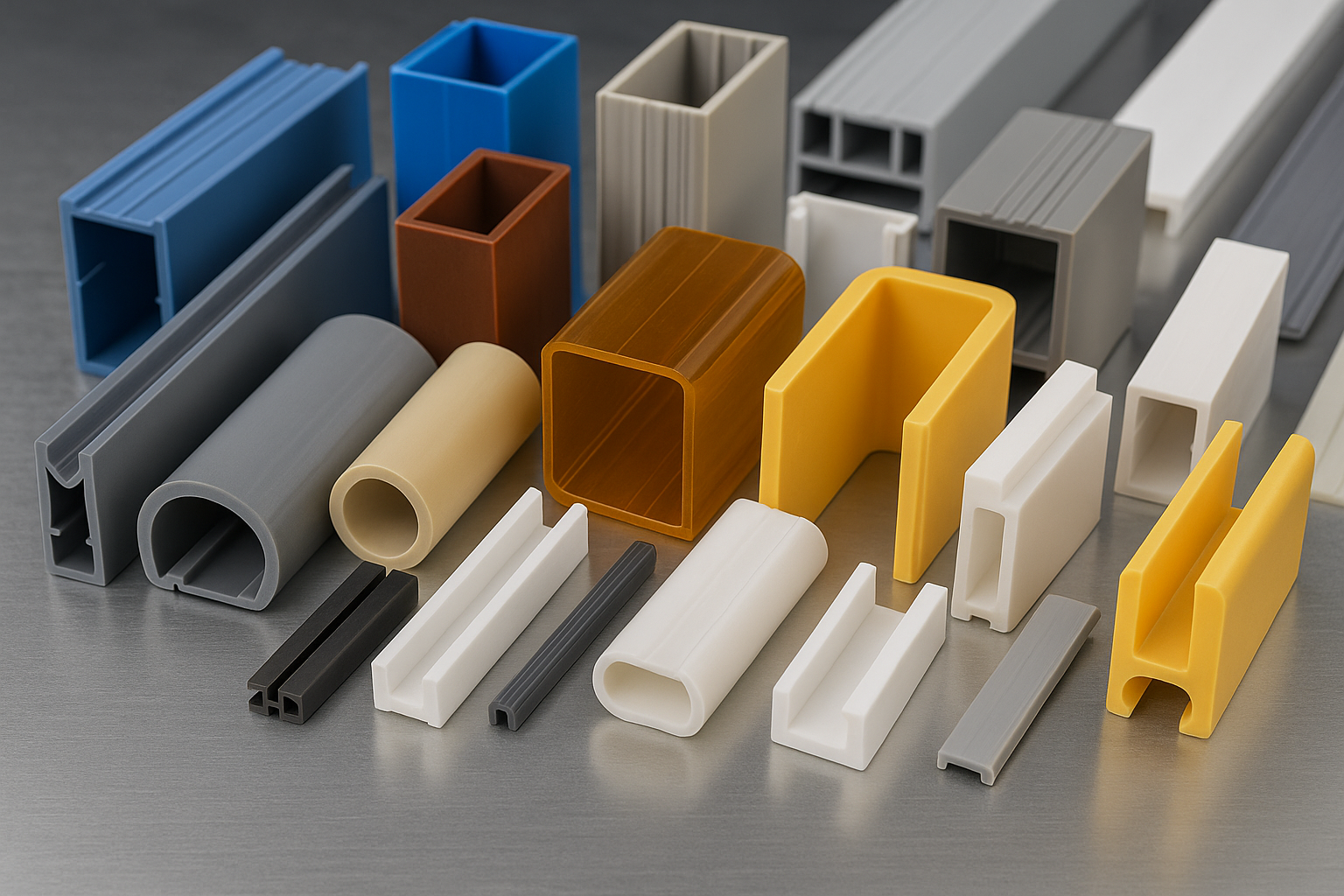
- Design flexibility — Custom dies mean the cross-section can be designed to fit specific cavities, mounting points, or assembly requirements.
- Material versatility — Different polymers can be selected to handle UV exposure, high temperatures, vibration, or chemical resistance depending on where the part lives in the vehicle.
Common Automotive Applications for Extruded Profiles
Seals and Weatherstripping
Door seals, trunk seals, window seals — any gap between two panels that needs to stay watertight and quiet. These are usually extruded from TPE or EPDM-based compounds that stay flexible across a wide temperature range.
Trim and Moulding
Interior and exterior trim pieces — window surrounds, pillar covers, edge protectors, rocker panel trim. These profiles are usually rigid or semi-rigid PVC or ABS, sometimes co-extruded with a softer material on the contact surface to prevent rattles.
Cable Management and Wire Protection
Modern vehicles have kilometres of wiring, and all of it needs to be routed, protected, and organized. Extruded channels, conduits, and split tubing keep wiring harnesses tidy and protected from heat, abrasion, and pinch points.
Under-Hood Components
Tubing, ducting, and channel profiles that live in the engine bay need to handle heat, vibration, and chemical exposure. High-temperature nylons and reinforced compounds are typical.
EV-Specific Profiles
Electric vehicles have introduced new extrusion applications — battery module spacers, thermal management channels, cable shielding for high-voltage systems, and edge protection for battery enclosures.
Material Options: Picking the Right Polymer
ABS (Acrylonitrile Butadiene Styrene)
Rigid, impact-resistant, good dimensional stability. Works well for interior trim and structural profiles.
PVC (Polyvinyl Chloride)
Versatile and cost-effective. Rigid PVC for trim and edge profiles, flexible PVC for cable management and protective covers.
HDPE (High-Density Polyethylene)
Lightweight, chemical-resistant, and tough. Common in under-hood tubing and cable conduits.
TPE (Thermoplastic Elastomer)
The go-to for seals and weatherstripping. Flexible across a wide temperature range, good compression set resistance, and recyclable.
Nylon (PA6, PA66)
High strength, excellent heat resistance, and good abrasion resistance. Used for under-hood applications, cable ties, and structural channels.
Design Considerations for Automotive Profiles
- Temperature range — Interior profiles might see -30C to 80C. Under-hood parts might need to handle 120C or higher.
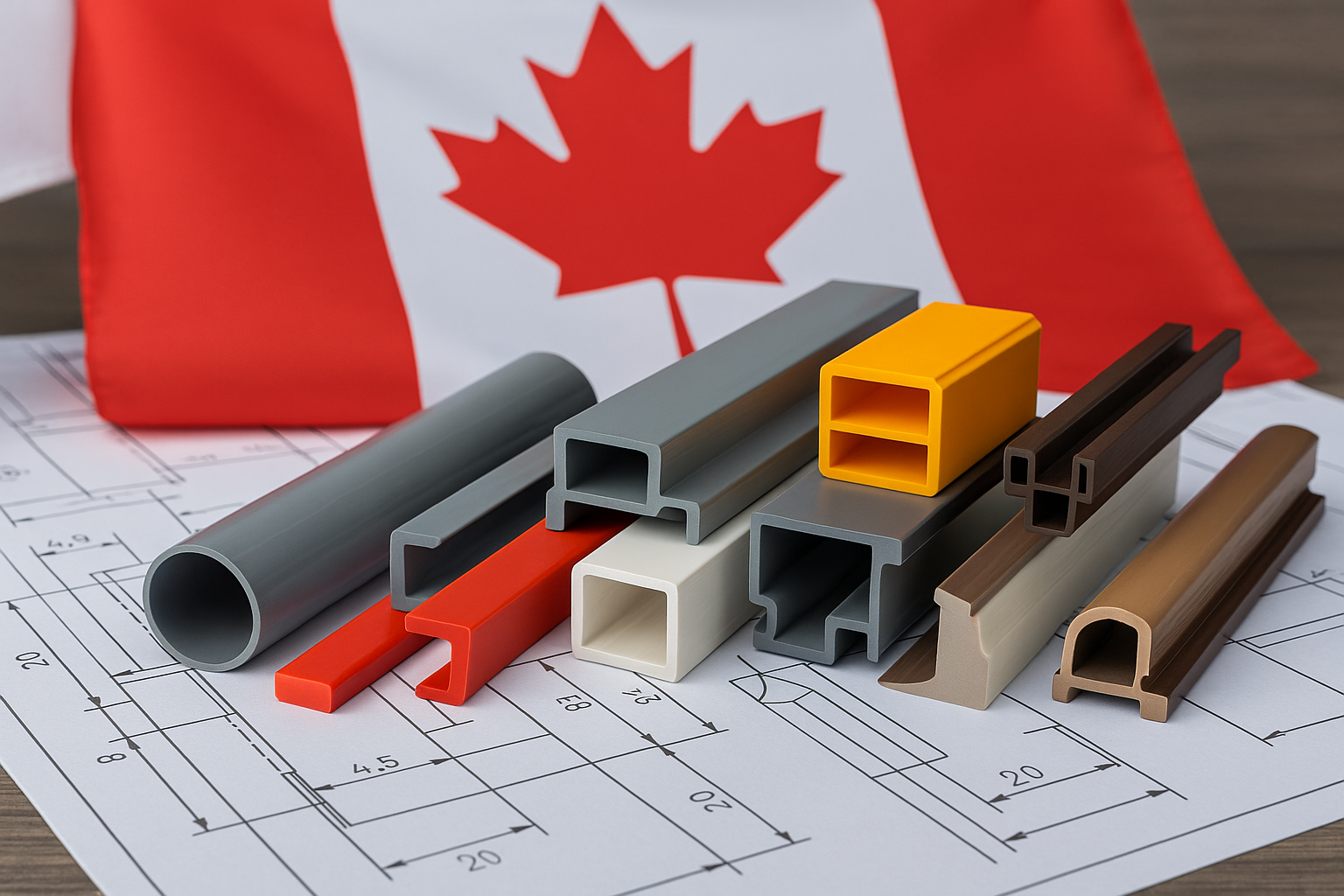
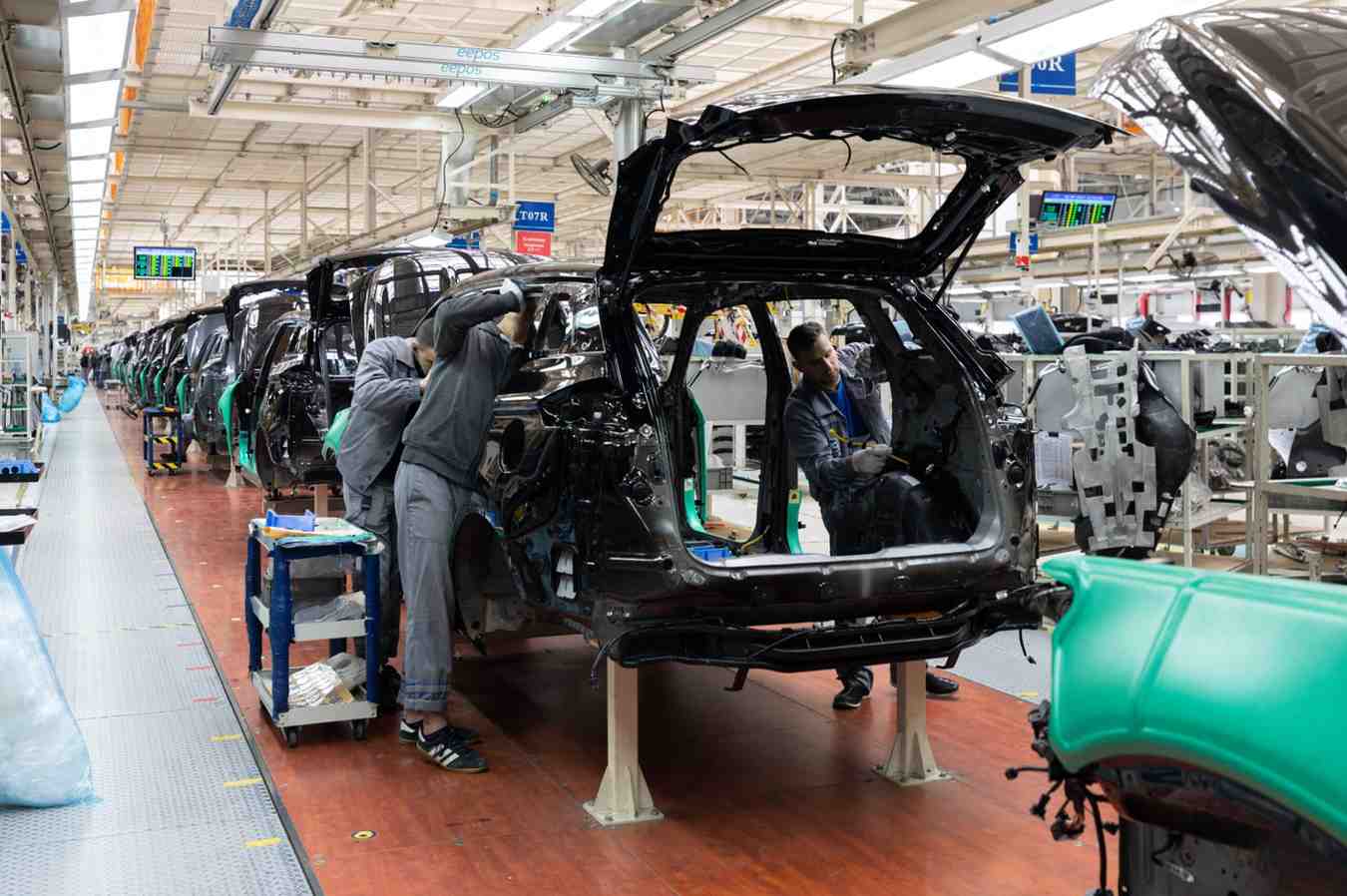
- Tolerances — Automotive assembly is automated and precise. Profiles need to fit reliably, often within 0.2 mm.
- Surface finish — Visible profiles need consistent colour, texture, and gloss.
- Assembly integration — Snap fits, adhesive channels, mounting tabs should all be designed in.
- Regulatory compliance — Flame retardancy (FMVSS 302), RoHS, and REACH all affect material formulation.
Quality and Compliance Standards
- IATF 16949 — The automotive quality management system standard.
- PPAP — Documentation proving the production process can consistently produce parts meeting spec.
- Material traceability — Lot tracking from resin supplier through finished product.
- First article inspection — Detailed measurement reports on initial production samples.
Frequently Asked Questions
What is the minimum order quantity for custom automotive extrusion?
Most shops have minimums in the range of 500 to 2,000 metres per run. Tooling costs are typically the bigger upfront investment — usually $2,000 to $8,000 depending on complexity.
Can extruded profiles be co-extruded with two different materials?
Yes. Co-extrusion is common in automotive — for example, a rigid ABS base with a soft TPE seal lip. The materials need to bond well, so not every combination works.
How long does it take to develop a custom automotive profile?
Typically 6 to 12 weeks including die design, sampling, and PPAP documentation.
Is custom plastic extrusion suitable for high-volume production?
Absolutely. Production rates of 10 to 50+ metres per minute are typical. It scales well.
Wrapping Up
Custom plastic extrusion sits quietly behind a lot of what makes modern vehicles work. If you are sourcing profiles for an automotive application, the key is getting the material, tolerances, and quality expectations right from the start.
Need help specifying a custom extruded profile for an automotive project? Get in touch with our team — we will walk through the design, material, and compliance considerations together.