Rework on a custom tube order is one of those things that feels avoidable… right up until it happens.
You send a drawing. You get parts. Something is off. Not wildly off. Just enough that your assembly team starts sanding, heating, shimming, or quietly swearing. Then you get pulled into an email thread that somehow includes five people, three time zones, and the phrase “per our understanding”.
Most rework comes from specs that are technically “there”, but not complete. Or they leave too much open for interpretation.
So here is a practical way to spec a custom plastic tube so it runs clean the first time. No drama. No second tooling tweak. No surprise fit issues.
Start with what the tube actually does
Before dimensions, I like to write one sentence in the RFQ that explains the job.
Something like:
- Protective sleeve over a cable bundle, outdoors, UV exposure.
- Spacer tube between two metal parts, light press fit, no squeak.
- Fluid transfer line, intermittent pressure, needs chemical resistance.
That single sentence helps the extruder make better calls when there are tradeoffs. And there are always tradeoffs.
Lock down the critical dimensions (and say what is critical)
For tubing, the usual dimensions are:
- OD (outside diameter)
- ID (inside diameter)
- Wall thickness
- Length
But if you only list them, you are still leaving a question open: which one matters most?
Because OD and ID are linked. If the process drifts a little, the extruder can often hold one tighter by letting the other float. If you do not specify priority, you may get a tube that is “in spec” and still wrong for your use.
What to do instead:
- Call out primary and secondary dimensions.
- Add tolerances that match how the plastic tube is used, not how you wish it behaved.
Example (simple but clear):
- OD: 0.500 in ± 0.005 (critical, mates with clamp)
- ID: 0.420 in reference (non critical, just clearance)
- Length: 24.00 in ± 0.06, cut square
If wall thickness is what matters for crush strength, then say that. If ID is what matters for flow, say that.
To ensure your specifications lead to successful outcomes without unnecessary rework or adjustments, consider choosing a plastic extrusion company in Canada with expertise in custom plastic extrusion. This can be particularly beneficial if your project requires specific applications such as plastic in automotives.
Pick tolerances that manufacturing can actually hold (and you can actually measure)
This part is where rework likes to hide.
If you put ± 0.001 on an OD because the CAD default did it, you are basically buying yourself problems. You might get higher scrap. More cost. Longer lead time. Or you will get a tube that “passes” with a different measurement method than you assumed.
A couple practical notes:
- Extruded plastic moves. It relaxes, it shrinks, it reacts to temperature.
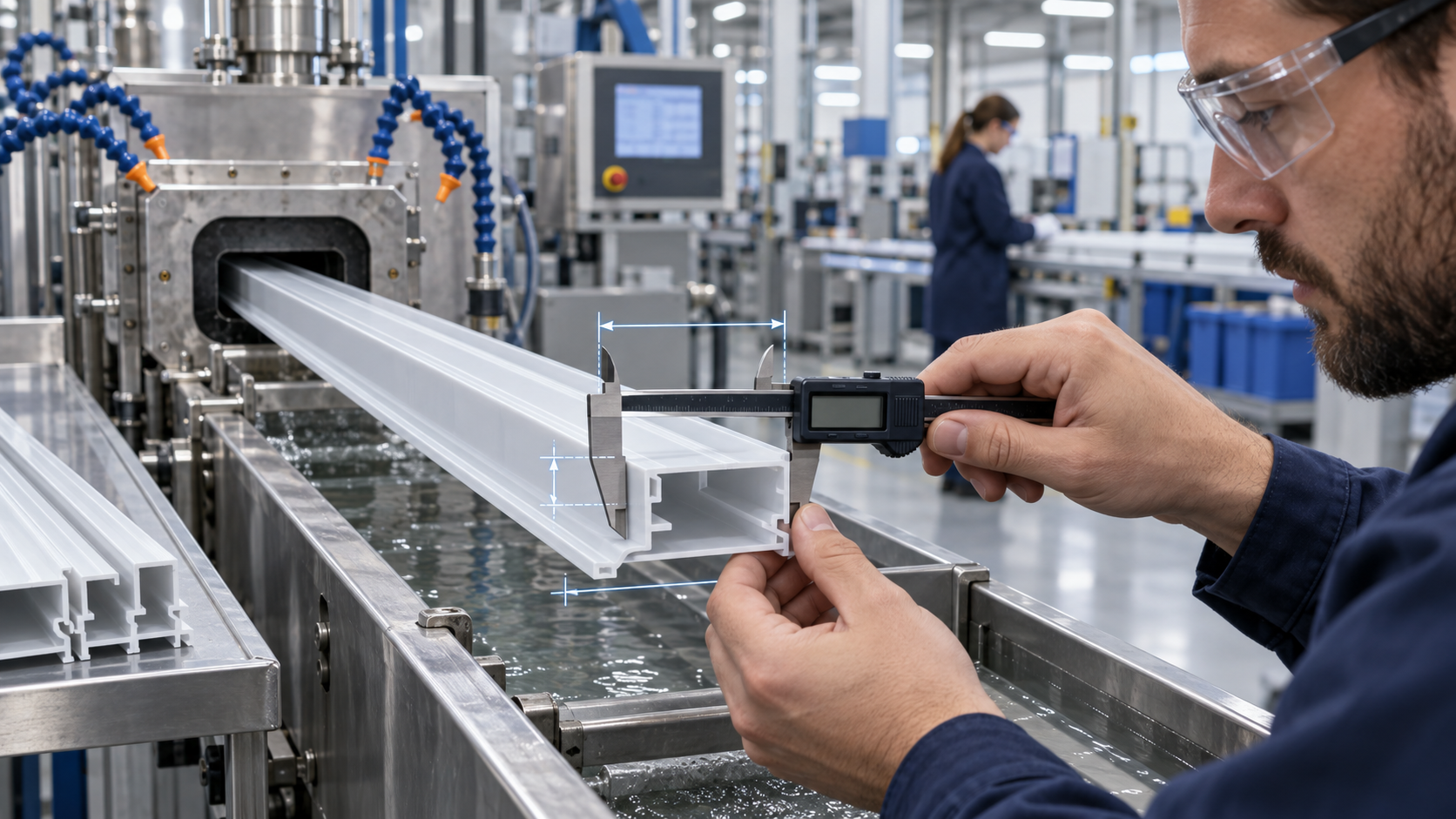
- Measurement method matters. Calipers vs pin gauges vs optical. Even the pressure you squeeze with can change the reading on softer materials.
If you truly need tight tolerance, fine. Just make sure you and the manufacturer agree on how it will be inspected. Put it in writing.
Do not skip material details (resin, durometer, additives)
“PVC tube” is not a full material spec. Neither is “polyethylene”.
If you care about performance, you want to specify things like:
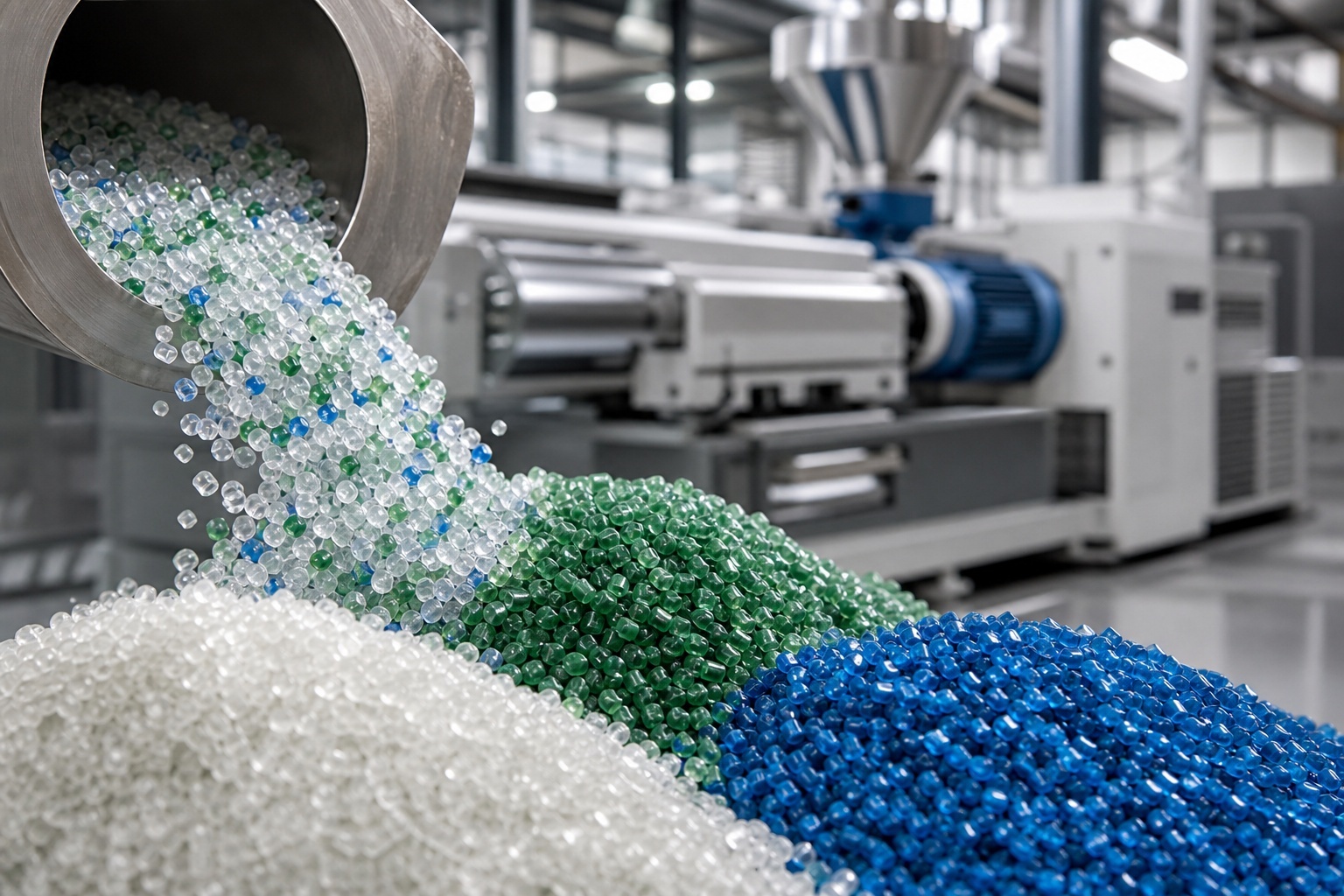
- Material family and grade (or an approved equivalent)
- Hardness (for flexible tubing, durometer is huge)
- UV stabilizer requirement
- Flame rating (UL94, etc) if needed
- Color and whether it must be color matched
- Regrind allowance (yes, no, or percentage)
If you are not sure what material makes sense, that is normal. This is where a good extrusion partner can save you time. For example, Accord Plastics Corp regularly helps customers choose materials based on fit, environment, and production needs, and they can guide you before you accidentally over spec something.
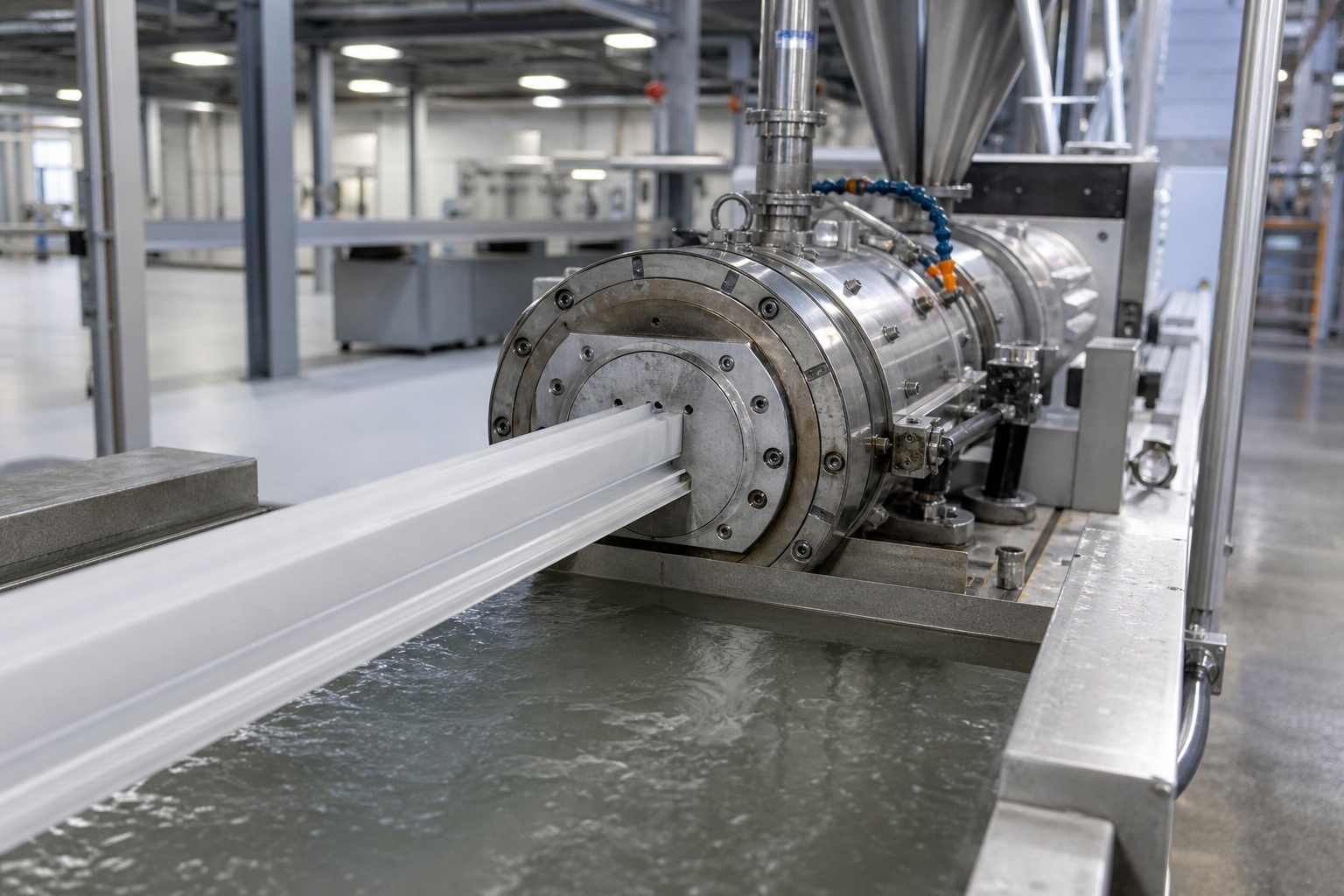
Additionally, understanding how plastic extrusion works can further assist in making informed decisions about material specifications and tolerances.
Define the environment like you mean it
A tube that lives indoors at room temperature is a different product than a tube that sits on a truck in Arizona.
If any of these apply, mention them:
- Temperature range (installed and during storage)
- Sunlight exposure
- Chemicals, oils, cleaners
- Contact with metal (galvanic concerns are not just for metal, some plastics stain or react)
- Compression, abrasion, impact
If the tube is going outdoors, say so. If it is near a transformer, say so. If it gets wiped down with alcohol daily, say that too.
Call out finish and cosmetic expectations
This is a big one because “cosmetic” means different things to different people.
Decide what you actually care about:
- Surface finish: matte, glossy, low friction, textured
- Acceptable line marks, die lines, minor gels
- Color consistency standards (especially for visible parts)
- Cleanliness requirements (medical, food adjacent, etc)
If the tube is hidden inside a cabinet, you might not need tight cosmetic standards. If it is a consumer facing part, you probably do.
Just do not assume.
Specify cut, end condition, and packaging
For cut to length tubing, the last inch can cause the most rework.
Add details like:
- Cut method preference (saw cut, knife cut, etc) if important
- Squareness requirement
- Burr tolerance (some materials “feather” at the cut)
- End finishing: chamfer, deburr, flare, slots, holes (secondary ops)
- Packaging: coil vs straight lengths, bundle size, protective wrapping to avoid scuffing
If you need the parts to feed into an automated process, say that early. Packaging can make or break that.
Agree on samples and approvals before production
If you want to avoid rework, you want a simple approval flow:
- First article or sample run
- Dimensional report (with measurement method)
- Visual approval standard if cosmetics matter
- Then production release
A lot of problems disappear when everyone agrees what “good” looks like before the big run starts.
One last thing: share the assembly context
If you can send a photo of the mating part, or a simple description of how it installs, do it. Even a quick note like “slides into aluminum channel, light press fit” helps the extruder flag risks early.
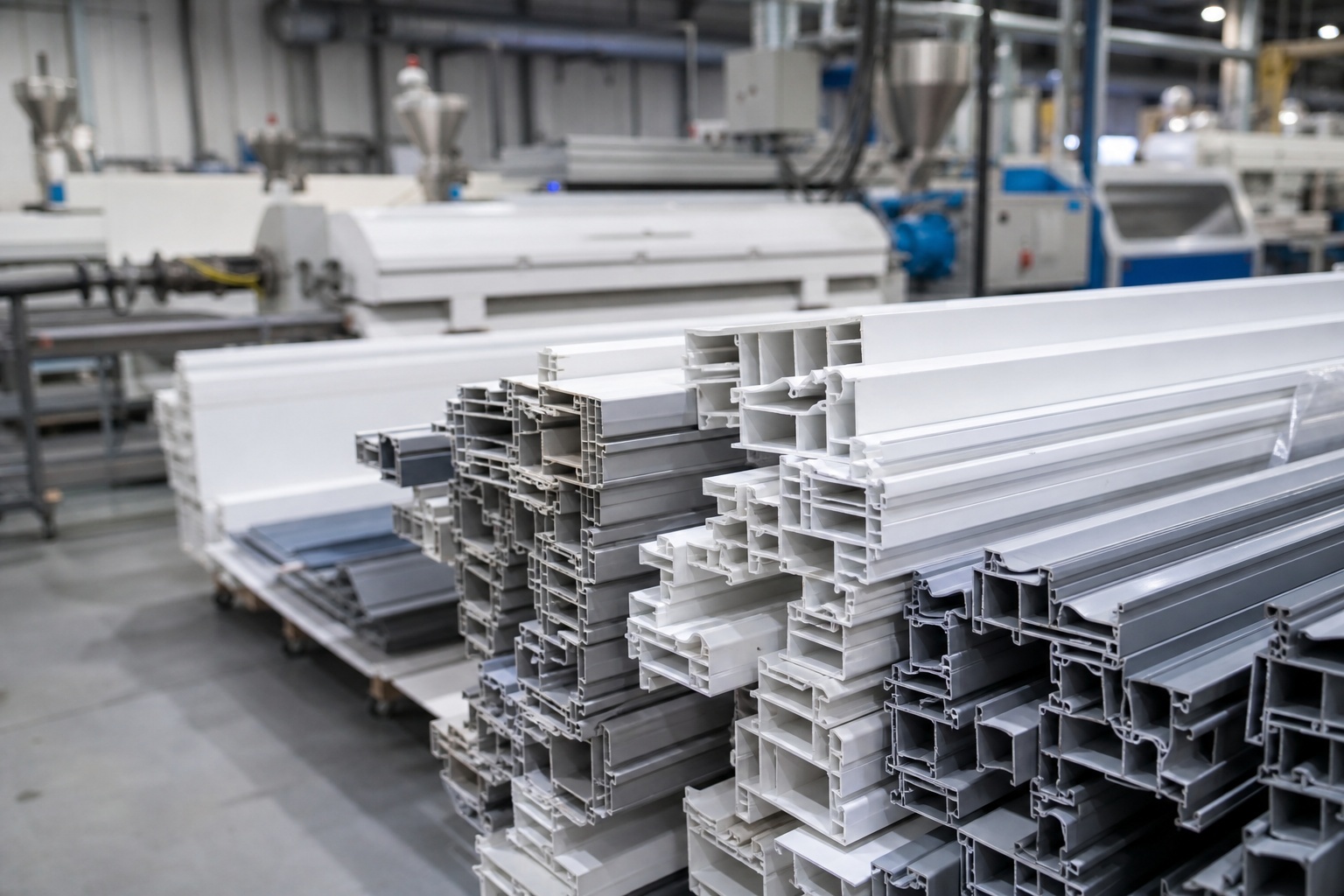
And if you want a manufacturer that is used to made to spec tubing with tooling support, material guidance, and inline process monitoring, take a look at Accord Plastics Corp at https://accordplastics.com and request a quote. The fastest projects are usually the ones where the spec is clear enough that nobody has to guess.
That is really the whole goal.
No guessing. No rework. Just tubes that fit the first time.
FAQs (Frequently Asked Questions)
Why does rework often occur on custom plastic tube orders?
Rework commonly happens because specifications are technically present but incomplete or open to interpretation. This leads to parts that are ‘in spec’ but still unsuitable for the intended application, causing issues like fit problems and assembly adjustments.
How can I effectively specify critical dimensions for a custom plastic tube?
Identify and call out primary and secondary dimensions (such as OD, ID, wall thickness, length) with clear tolerances that reflect their importance in your application. For example, mark which dimension is critical for function and provide realistic tolerances based on use rather than default CAD values.
What material details should be included when ordering custom plastic tubing?
Specify the material family and grade (or approved equivalent), durometer (hardness), UV stabilizer requirements, flame ratings if applicable, color specifications including matching needs, and regrind allowances. These details ensure the tube performs as required in its environment.
How important is defining the operating environment for custom plastic tubing?
Very important. Factors like temperature range, sunlight exposure, chemical contact, metal interactions, compression, abrasion, and impact affect material choice and design. Clearly stating these conditions helps manufacturers produce tubing that lasts and functions correctly in its intended setting.
What should I consider regarding tolerances and measurement methods for plastic tubes?
Choose tolerances that manufacturing can realistically achieve and that you can accurately measure. Understand that extruded plastics move due to relaxation or temperature changes. Agree with your manufacturer on inspection methods (calipers, pin gauges, optical) and document them to avoid disputes or rework.
Why is it necessary to specify finish, cosmetic expectations, cut length, end condition, and packaging?
These factors influence the final usability and appearance of the tubing. Defining surface finish (matte, glossy), acceptable marks or defects, color consistency, cleanliness standards, precise cut lengths with square ends, and packaging requirements prevents surprises during assembly or use and reduces costly adjustments or returns.