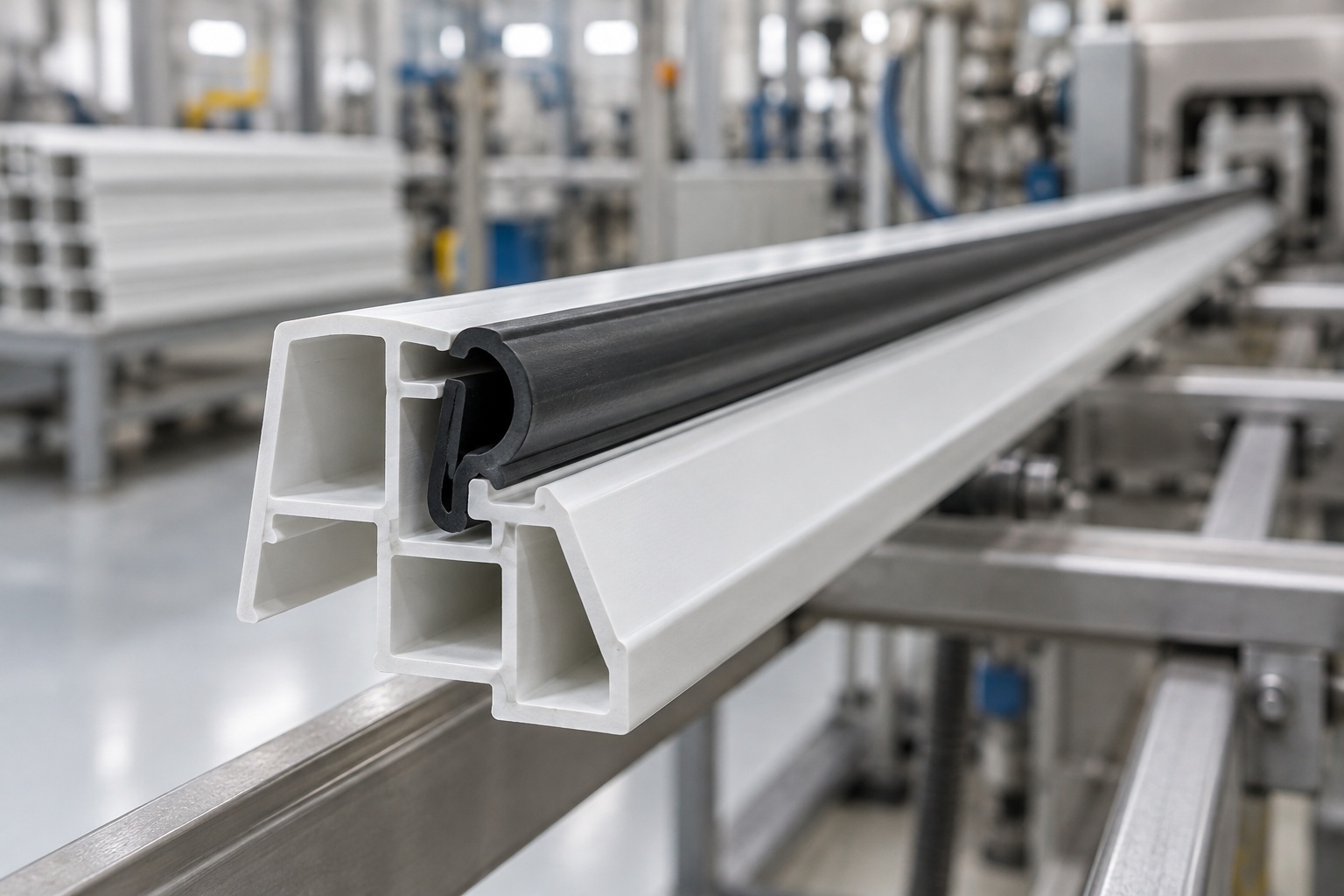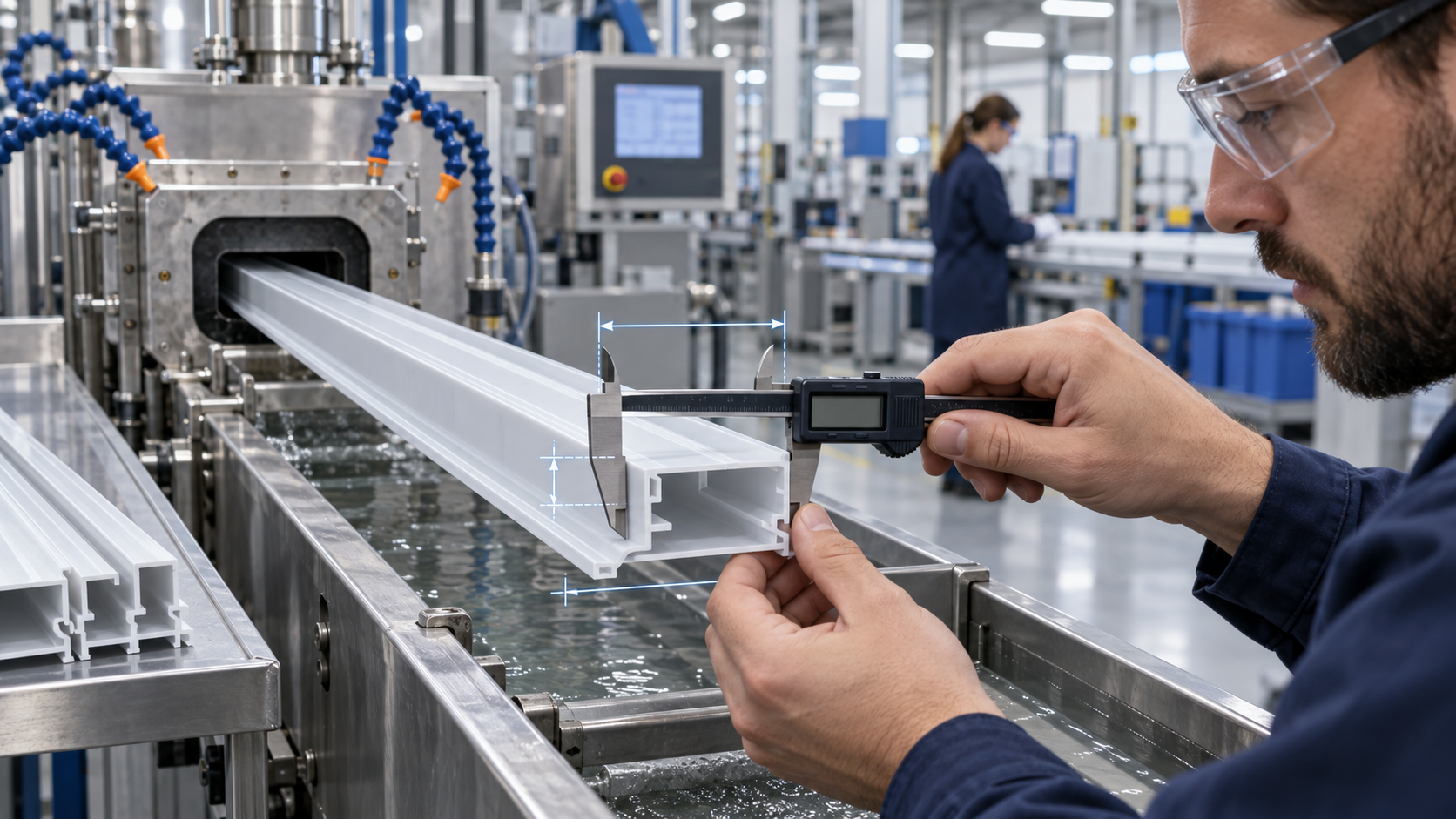
From the cable guards on a hydro pole to the light diffuser inside a commercial LED fixture, extruded plastic quietly does a lot of work in the electrical world. For engineers and buyers, plastic extrusion for electrical and electronics applications offers a rare combination: non-conductive materials, continuous profiles in almost any cross-section, and tooling costs that stay far below injection molding. This guide explains where custom extrusions fit in electrical and electronic products, which materials to consider, what compliance questions to raise early, and how to move from drawing to production with fewer surprises.
Why Electrical & Electronics Manufacturers Turn to Custom Plastic Extrusion
Electrical products have a few non-negotiable requirements: they must insulate, protect conductors from damage, resist weather or heat, and often look tidy once installed. Plastic extrusion is a natural fit for several reasons.
Built-in electrical insulation
Thermoplastics such as PVC, polyethylene and polypropylene are inherently non-conductive. A plastic channel or guard adds a protective, insulating barrier around wires without the grounding and corrosion concerns that come with metal.
Long, continuous profiles
Electrical runs are linear by nature. Extrusion produces a constant cross-section at any length, so raceways, covers and guards can be cut to standard lengths (8 ft, 10 ft, 12 ft) or to whatever your installers need, with consistent fit from piece to piece.
Low tooling cost and fast iteration
An extrusion die costs a fraction of an injection mold. That makes custom profiles practical even for moderate volumes, and it means design changes after a first article are affordable. If you are still deciding between processes, our comparison of plastic extrusion vs injection molding walks through the trade-offs.
No rust, no corrosion
Outdoor electrical hardware lives in rain, snow, road salt and UV. Properly formulated plastic profiles won’t rust or corrode, which keeps maintenance down over the service life of the installation.
Common Extruded Profiles for Electrical Applications
“Electrical” covers a wide range of products. These are the extruded profiles we see specified most often.
Cable guards, conduit covers and ground wire molding
Utility poles and building exteriors rely on rigid plastic covers to protect ground wires and cables from impact, vandalism and the elements. Accord’s utility division manufactures exactly these products, including ground wire molding in 1/2″ and 1″ sizes, guy guards, underground guards and spiral wrap. You can see the full range on the Accord Utility Systems page.
Cable channels and wire management raceways
Inside commercial buildings, data centres, control panels and furniture, extruded channels keep wiring organized and accessible. Typical features include snap-on covers, integrated hinges (often co-extruded with a flexible material), knock-outs and adhesive backing for tool-free installation.
Spiral wrap and bundling profiles
Spiral-cut extruded tubing bundles several cables into a single protected run while staying flexible enough to follow bends. It is common on utility installations, machinery and equipment harnesses.
LED diffusers and lighting lenses
Linear LED fixtures use extruded acrylic or polycarbonate lenses to spread light evenly and hide individual diodes. Diffusers often combine a clear or frosted lens with mounting features for the aluminum channel, which is a good use case for tight-tolerance profile work.
Edge trims, spacers and insulating strips
Electronics enclosures, appliances and equipment cabinets use small extruded strips to insulate edges, separate components and finish exposed panels. Many of these are similar to the profiles we produce for the appliance market.
One note on scope: insulation applied directly over copper conductors (the jacket on a wire or cable) is made on dedicated wire-and-cable crosshead extrusion lines. Custom profile extrusion focuses on the parts around the wire: the guards, channels, covers and diffusers.
Material Selection for Electrical Safety: PVC, HDPE, LSZH and More
Material choice drives insulation performance, flame behaviour, outdoor durability and cost. Here are the most common options. For a deeper side-by-side, see PVC vs ABS vs HDPE.
Rigid and flexible PVC
PVC is the workhorse of electrical extrusion. It is naturally flame-resistant thanks to its chlorine content, insulates well, takes colour easily and is cost-effective. Rigid PVC suits raceways and guards; flexible PVC is used for grommets, edge protection and co-extruded hinges. UV-stabilized grades are essential for anything outdoors.
HDPE and polyethylene
High-density polyethylene is tough, impact-resistant and handles moisture and cold extremely well, which is why it shows up in underground and pole-mounted protection. It is not inherently flame-retardant, so indoor applications may need a flame-retardant grade.
Polypropylene
PP offers good chemical resistance and a high heat tolerance for its cost, making it useful for equipment components and spiral wrap.
Acrylic and polycarbonate
For LED diffusers and lenses, acrylic gives excellent clarity and UV stability, while polycarbonate offers much higher impact strength. Diffusion additives control how frosted the lens appears.
LSZH (low smoke, zero halogen) compounds
In tunnels, transit, data centres and other enclosed public spaces, specifiers increasingly call for low-smoke, zero-halogen materials so that a fire doesn’t release dense smoke or corrosive gases. If your project carries an LSZH requirement, flag it at the quoting stage so the material and processing window can be confirmed before tooling.
UL/CSA Compliance Considerations for Extruded Electrical Components
In Canada, electrical products sold or installed generally need certification to the relevant CSA standards, and products for the US market typically need UL listing or recognition. Compliance is usually the responsibility of the product owner, but your extrusion partner plays a key role. Questions to settle early include:
- Which standard applies? Raceways, conduit, enclosures and lighting each fall under different standards with different flame, impact and temperature tests.
- Is the resin already recognized? Using a compound that already carries the right flammability rating (for example a UL 94 rating at your wall thickness) can shorten the path to certification.
- Wall thickness and geometry. Flame ratings are tied to thickness. Thinning a wall to save material can change how the part performs in testing.
- Colour and additives. Pigments, UV stabilizers and regrind can affect ratings. Lock the formulation before submitting samples. Our guide to custom colour matching covers how to specify colour without surprises.
- Traceability. Certified products usually require consistent material sourcing and lot traceability. Ask how your extruder documents resin lots and production runs.
Case Snapshot: Custom Cable Tray Profiles
Here is a typical (illustrative) path for an electrical contractor’s OEM who needs a snap-cover cable channel for a commercial fit-out product line:
- Requirements: rigid base channel with a snap-on cover, flame-resistant indoor material, a specific grey to match ceiling grid, 10 ft lengths, and an adhesive strip on the back.
- Design review: engineering adjusts snap geometry and wall thickness so the cover holds firmly but removes without tools, and adds small internal ribs to keep cables off the snap area.
- Material: a rigid flame-resistant PVC compound, colour-matched to the client’s sample.
- Prototype and first article: a die is built, short runs are measured against the drawing and test-fit with real cable bundles, then tweaked.
- Secondary operations: cut-to-length, adhesive tape application and packaging are completed in-house so parts arrive ready for installers.
The result is a profile that installs quickly, looks clean, and is produced consistently run after run. Accord offers many of these secondary steps in-house, including 3M tape application and fabrication.
Frequently Asked Questions
Is extruded plastic conduit the same as electrical conduit pipe?
Not always. Rigid PVC conduit for wiring is a certified pipe product made to specific standards. Custom extrusions are typically guards, covers, channels and raceways. Confirm which standard your product must meet before designing.
What is the best plastic for outdoor electrical guards?
UV-stabilized PVC and HDPE are the most common choices. PVC offers flame resistance and rigidity; HDPE offers excellent impact strength and cold-weather toughness.
Can you extrude two materials in one electrical profile?
Yes. Co-extrusion can combine a rigid body with a flexible hinge or seal, or a clear lens with an opaque mounting base.
How long does it take to get a custom electrical profile into production?
Timelines depend on profile complexity and material approvals, but die design, sampling and first article inspection often take a few weeks. Certification testing adds time, so plan for it early.
What information do I need to request a quote?
A drawing or sample, material and colour requirements, any flame or compliance ratings, lengths, annual volumes and secondary operations. Our custom extrusion quote checklist lists everything.
Next Steps: Request a Quote
Whether you need utility-grade cable protection, a wire management raceway or a precision LED diffuser, the right extrusion partner helps you balance insulation, durability, compliance and cost. Accord Plastics has been manufacturing custom profiles in Canada for over 35 years, with in-house engineering, colour matching and secondary operations. Contact Accord Plastics to discuss your electrical or electronics extrusion project and get a quote.